





Choosing the best destinations for a self-drive safari in East Africa is an important step when planning your trip. East Africa has many beautiful countries and national parks, each offering different wildlife experiences, landscapes, and road conditions.
Because you are driving yourself, you need to choose places that are safe, easy to navigate, and rich in wildlife so that your journey is both enjoyable and successful. Some of the most popular destinations for self guided East Africa include Kenya, Tanzania, Uganda, and Rwanda. Kenya’s Masai Mara and Amboseli are great for seeing large numbers of animals, especially during the migration season.
Tanzania offers famous parks like Serengeti and Ngorongoro Crater, where you can see the Big Five in open savannahs.
Uganda is known for its green landscapes and unique experiences like chimpanzee tracking in Kibale and game drives in Queen Elizabeth National Park.
Rwanda offers well-maintained roads and beautiful scenery in places like Akagera National Park.
When choosing your destinations, you should also consider distance between parks, road quality, entry fees, and accommodation options. It is better to plan a route that is not too rushed so you can enjoy each park fully. By selecting the right destinations, your self-drive safari becomes a smooth, exciting, and unforgettable adventure in East Africa.
- Understand what you want to see
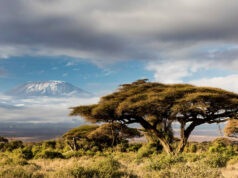
Before choosing destinations, you need to understand your safari goals. East Africa offers different types of experiences. If you want to see the Big Five, you should focus on famous parks like Serengeti National Park, Ngorongoro Crater, and Masai Mara National Reserve. These parks are rich in lions, elephants, buffalo, leopards, and rhinos. If you want primates like gorillas and chimpanzees, then forests like Bwindi Impenetrable National Park and Kibale National Park are better. If you want landscapes and photography, parks like Amboseli National Park with views of Mount Kilimanjaro are ideal. Knowing your interest helps you narrow down destinations instead of choosing randomly.
- Choose the right country for your route
East Africa has four main safari countries: Kenya, Tanzania, Uganda, and Rwanda. Each has its strengths. Kenya is great for classic safari experiences, especially in Masai Mara and Amboseli. Roads are relatively good, and parks are close together. Tanzania is perfect for big wilderness experiences. The Serengeti ecosystem and Ngorongoro Crater are world-famous, but distances are longer. Uganda is greener and more adventurous. It combines wildlife safaris with forest experiences like gorilla trekking in Bwindi Impenetrable National Park. Rwanda is small but very organized. Akagera National Park is good for self-drive safaris because roads are well maintained. If you are a first-time self-driver, Kenya, Uganda and Rwanda are easier. If you want a more adventurous journey, Uganda and Tanzania are better.
- Think About Distance and Time
East Africa is a large region, and some destinations are far apart, especially if you’re traveling between countries. Consider the time you have for your safari and how long it will take to drive between destinations. Driving long distances between parks can eat into your time for game drives and sightseeing.
- Local safaris: If you are limited by time, focus on parks that are close to each other. For example, Kenya’s Amboseli and Tsavo West are relatively close, so you can drive from one to the other easily within a day.
- Regional safaris: If you have more time, consider traveling across borders, such as from Kenya to Tanzania or Uganda to Rwanda. You’ll need to factor in extra time for border crossings and the distances involved.
Plan a route that lets you enjoy a good mix of game drives and rests without spending too much time on the road.
- Check Road Conditions and accessibility
Not all safari destinations in East Africa have the same road quality. Some parks have smooth roads, while others require a strong 4×4 vehicle. For example, Masai Mara has rough and dusty tracks, especially inside the reserve. Serengeti also has long gravel roads that can become difficult during rain.
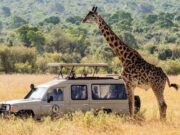
Uganda’s national parks often involve both tarmac and dirt roads, especially in areas like Queen Elizabeth National Park. Rwanda’s Akagera National Park is one of the easiest for self-drive because roads are well maintained. Always choose destinations that match your driving confidence. If you are not experienced, avoid very remote or muddy routes, especially during the rainy season. A strong 4×4 vehicle like a Toyota Land Cruiser is highly recommended for all East African safari destinations.
- Wildlife and Birdlife
Wildlife is the heart of any safari, and choosing a destination with abundant animal life is key. Each park in East Africa has its own strengths when it comes to wildlife:
- Kenya: Known for its vast savannas, Kenya has iconic wildlife areas like the Masai Mara, where you can see lions, elephants, giraffes, and zebras. Amboseli is famous for its large elephant herds with Mount Kilimanjaro in the background.
- Tanzania: The Serengeti is world-renowned for the Great Migration and offers incredible opportunities to see a wide range of animals. Ngorongoro Crater is a great place to see all of the Big Five in one day, as the crater floor has a concentration of animals.
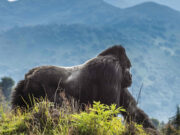
- Uganda: Known for its mountain gorillas in Bwindi Impenetrable Forest, Uganda is perfect for a wildlife experience off the beaten path. The popular Kibale National Park is ideal for chimpanzee tracking, and Queen Elizabeth National Park offers a mix of wildlife and scenic beauty.
- Rwanda: The world known Volcanoes National Park is the best place in Rwanda for gorilla trekking, but also consider Akagera National Park, which has a variety of animals like lions, leopards, and rhinos.
You will also encounter abundant birdlife in these parks, making them great for birdwatching. Choose a park that offers the wildlife experience you most desire.
- Seasonality and Weather
Different parks offer different chances of seeing wildlife depending on the season. The best example is the Great Migration in the Serengeti National Park and Masai Mara National Reserve. Between July and October, millions of wildebeests and zebras move between Tanzania and Kenya. This is one of the best wildlife spectacles in the world.
In Ngorongoro Crater, wildlife is present all year round because animals stay inside the crater. In Uganda’s Queen Elizabeth National Park, game viewing is good year-round, but dry seasons (June–September and December–February) are better. When choosing destinations, check what animals you want to see and when they are most active or visible.
- Budget and park fees
Different destinations have different costs. Some parks charge high entry fees, especially famous ones like Serengeti and Masai Mara. Uganda and Rwanda can also be expensive when you add activities like gorilla trekking permits.
Fuel costs are also important because long distances increase your budget. When choosing destinations, try to balance expensive parks with more affordable ones. This helps you manage your overall safari budget. For example, you can combine a premium park like Serengeti with a more affordable park like Lake Mburo National Park in Uganda.
- Accommodation Options
A key factor in a self-drive safari is where you’ll stay. Since you’re driving yourself, you’ll want to choose destinations with a range of accommodation options that suit your preferences and budget. East Africa offers:
- Campsites: Many parks in East Africa offer campsites where you can set up your own tent or stay in a rented one. These are often cheaper and provide a more authentic safari experience. Examples include campsites in Tsavo, Amboseli, or Lake Nakuru (Kenya).
- Lodges and resorts: If you prefer more comfort, you’ll find lodges and resorts in and around the national parks. These are usually located in places like Serengeti (Tanzania), Maasai Mara (Kenya), or Bwindi (Uganda).
- Self-catering options: Some destinations, especially in Tanzania and Kenya, have self-catering accommodations where you can cook your own meals. This option is perfect for travellers looking to save money and have more flexibility.
Plan your accommodations based on your preferences and the level of comfort you want. Most parks will have some form of lodging, but more remote destinations might require booking further in advance.
- Create a balanced itinerary
The best self-drive safari is not about visiting many parks, but about choosing the right mix.
A balanced itinerary includes:
- Big wildlife parks (like Serengeti or Masai Mara)
- Scenic parks (like Amboseli or Lake Naivasha)
- Forest parks (like Bwindi Impenetrable National Park)
- Relaxing stops (like lakes or small towns)
This mix keeps your journey interesting and avoids safari fatigue. Do not rush from park to park. Give yourself time to rest, explore, and enjoy the landscapes.
- Border Crossings and Visas
If your self-drive safari involves traveling between countries, make sure you are aware of visa requirements and border crossing procedures. For example, if you plan to drive from Kenya to Tanzania or Uganda, you will need to check the visa requirements for each country. Border crossings can take time, and you may need to pay fees or provide documents.
Make sure to have:
- Valid visas for each country you plan to visit.
- Your vehicle’s paperwork, including insurance, as you may need it when crossing borders.
- Familiarity with border crossing times, as some borders can be slow or crowded.
Planning these details ahead of time can save you a lot of hassle when on the road.
- Security and Safety
While East Africa is generally safe for tourists, certain areas may have higher levels of crime or political instability. Research the safety of the destinations you plan to visit. Some remote areas, especially near the borders, may be less secure, so avoid these regions if you’re unsure.
- Wildlife safety: Always keep a safe distance from wild animals while driving. Follow Park rules, and avoid night driving in wildlife areas.
- Road safety: Be aware of local driving customs and road conditions. In some regions, roads can be poorly marked, and driving habits may be different from what you’re used to.
Choose well-known, well-managed parks and avoid areas where there may be issues with safety or wildlife poaching
Conclusion
Choosing the best destinations for a self-drive safari in East Africa depends on your interests, driving skills, and travel plans. If you want to see lots of wildlife, places like Kenya’s Masai Mara and Tanzania’s Serengeti are great choices.
If you prefer a mix of adventure and scenery, Uganda’s Bwindi Impenetrable Forest or Rwanda’s Volcanoes National Park offer amazing experiences like gorilla trekking. A self-drive safari gives you the freedom to explore at your own pace, stop whenever you want, and experience nature up close. With good planning, the right vehicle, and a well-thought-out route, you can have an unforgettable adventure in East Africa. Whether you choose popular parks or hidden gems, a self-drive safari will give you memories to last a lifetime.