Home Blog Page 15

A Holiday at Cannon Beach

0

For the Thanksgiving holiday, Chris and I went to Oregon to celebrate with family and friends. While we were looking forward to spending quality time with loved ones, we were also anxious to visit the little town of Cannon Beach situated along the northern edge of Oregon’s coastline. Cannon Beach has its own thing going on and this fact becomes apparent as soon as you turn off from highway 101. Dozens of small boutique shops selling their unique and often expensive wares; short, winding roads that can be walked faster than driven; warm restaurants beckoning you inside with the smell of clam chowder, garlic bread, and grilled halibut; and a breathtaking view of the ocean. We were lucky enough to have a friend who lived in the area, so finding a parking spot wasn’t as much of an adventure as it could have been.

By the time the sun had situated itself directly overhead, we were making our way down to the beach. Wrapped in jackets, scarves, hats, and boots, we trudged through the dunes until the ocean came into view. We discovered that the tide was so far out that we could walk around the sea cliffs without even getting our feet wet. Our friend said that he hadn’t seen the tide so low in a long time and that we should take full advantage. No problem!

The low tide provided a wide sweeping beach that is rarely experienced. Dozens of purple and gold sea stars clung to the sides of the rocks feasting on muscles and limpets. Green sea anemones wrapped their tendrils around their centers to protect themselves from the elements.

Halfway through our journey we heard about a sun star that was stranded in a puddle on the beach. Hurrying to the supposed site we found a purple creature the size of a serving plate. Its 19 stiff arms slowly twirled around in a circle as it worked its way to a nearby rock. There, it latched on with the tiny suction cups under its limbs and waited for the tide to come back in.

The low tide also offered up a few perfect sand dollars, which I had never seen outside of a store (I’m sure many of these treasures found themselves in the insides of visitor’s pockets). A few plastic water bottles and soda cans were also found and we made sure those treasures were relocated to a trash can.

As the walk neared its end and we started our assent back to the house, I turned back to the ocean for one last look. As I squinted at the powerful waves and the distant rock formations that had endured wind, water, and time for centuries I thought of something John F. Kennedy once said, “We are tied to the ocean. And when we go back to the sea, whether it is to sail or to watch – we are going back from whence we came.”

6 Questions to Ask Before Buying A Backpack

0
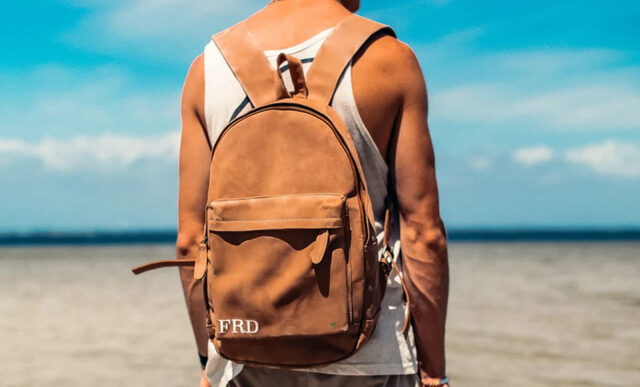
Backpack

If you’re a regular traveller, you’ll know the importance of a backpack.  A backpack is so much more versatile and convenient than a suitcase for the serious traveller.

A backpack is smaller, easier to carry, suitable for every kind of trip and it can take much more abuse on the world’s various public transport systems!

But with so many backpacks on the market, it can be confusing to know what to look for. Here’s our guide to what to look for in a great traveller backpack.

Should I Get a Big or a Small Backpack? Does Size Matter?

Many people automatically choose a big backpack for travel. While it’s important to choose a backpack that can fit in everything you need, it’s much more essential to find a backpack that suits your body size.

If it’s too big, the weight will be distributed unevenly, and this can cause back problems or even make you topple over while walking.

The way to choose the right size is to try them on, preferably with weight added, to see how it feels.

First and foremost, it must feel comfortable on your back, at the same time as having enough room for everything you need to carry.

Ideally, leave a little extra space for all the keepsakes you’ll want to bring back from your travels.

Backpack size is measured in litres. 50-55 litres should be fine for a woman, and 60-65 litres for a man, as men will generally need a little more space due to their bigger clothes and shoes.

It’s also worth remembering that a backpack that is too big or heavy won’t be allowed in the cabin of a plane, and you’ll have to check it in like a suitcase. 30-45 litres is generally acceptable as hand luggage.

What Material Should the Backpack Be?

The material should be lightweight and durable. Even if it’s not 100% waterproof, a travelling backpack should at least be water resistant, in case you get caught in a downpour.

Wet, smelly clothes aren’t what you want on your travels, after all.

Two of the most popular and practical backpack materials are rip-stop nylon and cotton canvas. Both of these are water resistant, hard wearing and light to carry.

Security

Obviously, security is a huge priority in a backpack for travellers. Here are some of the main features you should be looking for:

  • Lockable zips. Each compartment should have two zips that you can lock with a padlock, to protect your valuables from opportunistic thieves.
  • Reinforced straps. Many backpacks now have toughened straps. This makes it more difficult for a thief to cut through, while still being lightweight.
  • RFID blocking technology. This is something you really should consider due to the rise in digital theft. Digital thieves carry equipment that can read the information contained in the chips on your bank card and passport. A backpack with RFID blocking panels allows you to carry these items without the risk of your money, or even your identity, being digitally stolen.

Is Comfort Important When Buying a Backpack?

The perfect trip backpack is the one that you can carry the most comfortably, even over long distances. Ideally it should have the following features for comfort and ease of carrying:

  • Internal frame. Most backpacks these days have an internal frame, usually made of hard wearing plastic, as opposed to the old-style traveller backpacks with external metal frames. An internal frame is definitely a priority as it makes your backpack slimmer, lighter and easier to carry.
  • Lumbar support: Look for a backpack that is curved to fit into your back rather than straight, as this will prevent the pack from jarring your back as you walk. The curved part should also be padded for maximum comfort, support and breathability.
  • Hip belt. Over time as you travel, you will be increasingly glad of a hip belt on your backpack. This protects your back by preventing all the weight from being distributed across your shoulders. Make sure the hip belt is adjustable to suit your size and the weight of the pack.
  • Padded straps. The shoulder straps and hip belt should be as thickly padded as possible. This will make your backpack more comfortable over long distances, and take some of the pressure off your back and shoulders.

The Backpack Design

Backpacks come in two main styles: travelpacks and toploaders. A travelpack opens at the front like a suitcase. Toploaders, as the name suggests, open via a flap at the top and fasten with drawstrings. Ultimately, the style you choose is entirely down to your own preference.

Some other design features to consider include:

  • Separate compartments. These are a great idea as they allow you to keep your clean clothes separate from your dirty ones, and prevent your muddy shoes from coming into contact with your tech gadgets!
  • Compression/ expansion. These capabilities can come in handy if you regularly go on trips of different lengths, or if you’re likely to make a few purchases while you’re away.

Backpack Prices

You can expect to spend anywhere between £50 and £200 on a good traveller backpack. The most expensive isn’t necessarily the best; usually £100 – £150 will get you a more than adequate backpack for your needs, but if you’re lucky you might find your perfect pack a lot cheaper than that.

Mountain Warehouse actually have a sale on as most brands would this time of year so it’s worth keeping an eye out for a cheeky deal. I got mine years ago and it’s been a trusty partner.

Ready to Buy Your Backpack?

Buying a backpack is all about personal preference, but you want one to last and have many adventures with you. Don’t rush the decision. Go online and read backpack reviews. Go into shops and try on as many backpacks as you like. Ultimately, the best backpack to buy is the one that feels right for you.

Authentic Food Quest Argentina: A New, More Delicious, Travel Guide

0

New, More Delicious, Travel Guide

One of the greatest aspects of being a travel magazine in this day and age is learning about and sharing some of the more thoughtful new products that are being created in the industry. Our lives have been changed by new technologies like those found in the GRAYL purification water bottle. Our luggage is lighter because of the genius engineering of Bluffworks. And now, our travels are about to get so much more tasty because of the new travel guide series, Authentic Food Quest.

The first guidebook in this new series, Authentic Food Quest Argentina: A Guide to Eat Your Way Authentically Through Argentina, was chalk-full of information. According to the authors of the guide, it’s mission was to be a scrumptious guide that took the hassle out of doing all the research about Argentine cuisine and gave travelers the tools to have their own culinary adventures. The guide promised stories of local dining adventures, recipes, travel tips on how to get the most authentic experience around the country, and more; and boy, it delivered!

This wasn’t a typical guidebook, where you flip to a region and get a brief summary with a list of addresses. By the time we had finished reading the book (which took less than a day, we were so engrossed in the content), we felt like we had tasted our way through the country alongside the authors and we couldn’t wait to go back! It was obvious that the authors, Rosemary Kimani and Claire Rouger, poured every drop of their passion, heart and energy into this guide. We had to get a hold of them and ask them how they did it. Here’s what they said:

What inspired you to create this guide?

Our mission is to inspire people to travel through food. We believe that when you travel through food, you can have deeper and more meaningful connections with the locals at the destination. Food offers us a window into the local culture, people and region/country.

Through this book, we want travelers to open up to new tastes and flavors and have a deeper connection and travel experience in Argentina. By seeking out the local dishes, visiting the farmers markets, local food stores and more, travelers will have a richer experience.

Why did you decide to focus on Argentina?

Argentina is a very popular destination and it is also the most visited country in South America. One of the biggest misconceptions about the food in Argentina is that it is limited to beef and Malbec wines. As we traveled throughout the country, we found the cuisine to be varied and distinctive.

Given the rich gastronomy and regional dishes combined with the popularity of Argentina, we decided to focus our first book on the delicious and authentic cuisines found in the country. Through this book, we would like food enthusiasts to know that Argentina has so much more to offer beyond beef and Malbec wines.

Authentic Food Quest Argentina takes readers on a culinary journey through four main regions of Argentina: Buenos Aires, Mendoza & the Wine Regions, the Andean Northwest, and Patagonia & the Lake Region. Over 50 authentic foods, desserts, beverages, and street foods are highlighted. More than 270 references of authentic restaurants, wineries, farmers markets and local food stores are provided.

What were some of your favorite moments creating this guide?

The “research phase” was what we enjoyed the most in the process. Wandering around the markets, talking to vendors and chefs, connecting with locals and learning about the traditional dishes was quite remarkable. And of course, we cannot forget eating the food.

When it came to creating the guide, learning about the self-publishing process was quite an eye opener. Neither one of us has experience in publishing, so this was a completely new arena to learn and implement. Through self-publishing, anyone can bring their story to life. The tools exist and if we can do it, anyone can.

Were there challenges you didn’t foresee in putting it together?

One really unexpected challenge we faced was hunger. Every time we sat down to write, and even though we had just eaten, we would immediately start getting hungry. We had to break multiple times during the book writing process to eat. One benefit that came out of this experience was making dishes from recipes we picked up in Argentina.

The process of putting the book together took much longer than we had anticipated. While we managed to keep to our schedule for the writing portion of the book, the formatting took more time than expected. We self-published the book and created two versions – Kindle and paperback. The formatting for each platform was unique and the book needed to be adjusted to fit the parameters. While we worked with a terrific graphic designer who was very responsive, we had not anticipated the extra steps and time.

Empanadas for everyone! – Photo courtesy of Authentic Food Quest

Was there anything you decided to leave out of the guide that you wished you’d left in?

The guide is pretty comprehensive and everything we wanted to include was captured. The only thing we would have wished to include were additional pictures of the beautiful country. We were able to include the food photos we wanted and prioritized them over landscape pictures.

Would you do anything differently the next time around?

Judging by the initial feedback we received from our readers, people really enjoyed the stories we shared about meeting top Argentina chef, Francis Mallmann, the chefs and cooks in Mendoza, our first asado and others. To build on the personal narrative, in future books we will tell more stories about the people we meet, including how we meet them and our experiences together, and of course the dishes.

Cazuelade Llama – Photo courtesy of Authentic Food Quest

Do you have a favorite story in the guide?

One of our favorite stories from the guide is about our first asado experience in the Pampas of Argentina. Here we tell the story of getting invited to an estancia (working farm) and attending a very traditional asado (barbeque). In Argentina, an asado goes way beyond the food and is really about shared moments in the company of loved ones. We share the story of the food, the traditional folklore music and the gaucho culture. We bring the Argentine culture forward through the food.

What is your information gathering process? How do you collect all that delightful data?

When it comes to discovering the local and authentic dishes of a country, we take a 4-step approach:

  1. We start by researching the authentic and traditional dishes ahead of time. We read books, journals and research online to learn about the traditional food of the country.

  2. We connect with locals prior to traveling and also when we arrive in the country.

  3. We visit local farmers markets and food stores to see the local produce and regional specialties.

  4. We interview local experts who help us understand the local specialties and their cultural significance. This is a broad group and it includes chefs, restaurant owners, market vendors, gastronomy experts and more.

Our approach combines both observations and advice from locals. What makes this work is having a healthy dose of curiosity and the ability to travel “slow.” We stay with locals on our travels and this immersive experience helps us connect deeper with the local food culture.

Rosemary Kimani and Claire Rouger in Cumana – Photo courtesy of Authentic Food Quest

What was the most important lesson you learned during this experience?

Given that neither one of us has a writing or journalistic background, we were quite apprehensive about two things – writing a book and whether our story would be well received.  After seven months (writing to publishing the paperback version) we have learned to “go beyond fear” and work towards our goal. When the initial feedback we received from our editor was positive, we were uplifted and encouraged. To bring the book to life, we engaged partners including an editor, graphic designer, book cover designer and several beta readers. So, what we learned from this experience is: in order to realize your dream, you must work towards your goal and engage partners with the expertise you don’t have.

What has been the response to the guide so far?

The response to the guide has been very positive. Readers have enjoyed the easy to follow format, the range of foods highlighted – from street foods, to traditional dishes and unique produce, as well as the markets and restaurants to sample the delicacies. In addition, what also meant a lot to us was feedback from our Argentina readers who relived their memories in our book and felt that we captured the cultural nuances accurately.

We are selling both Kindle and paperback versions of the book almost equally. Our initial idea was to launch only the Kindle version, which is convenient for travelers to download and carry. After the Kindle version came out in July, one unexpected request we received frequently was for a paperback version. This led to the creation of the paperback book, which came out in September. Despite the move to digital products, we have learned that there is still a fair amount of people who still prefer holding a copy of a book in their hands.

What is the next guide going to be about? Can we get a sneak peak at a favorite highlight?

The next book will be about the authentic dishes we discovered in Peru. Discovering the food from the Amazon was an unexpected and amazing experience. While we did not visit the Amazon rain forest, we had the chance to explore the surprising cuisine in Lima, as well as taste unique and strange fruits. We will be highlighting these dishes in our next book and inviting travelers to Peru to eat the local delicacies from the Amazon.

La Boca, Caminito – Photo courtesy of Authentic Food Quest

About the Authors:

Rosemary Kimani and Claire Rouger are co-founders of Authentic Food Quest. They aim to transform travelers experiences through the discovery and knowledge of authentic food. They believe that by traveling through food, people have more meaningful connections with the local people, food and culture.

In 2015, they traded in their corporate jobs to eat their way around the world. Starting out in South America, they traveled to Argentina, Uruguay, Chile and Peru and spent 6 months discovering the authentic foods in the region.

Now authors, they recently published their first book available on Amazon and Barnes & Noble Authentic Food Quest Argentina: A Guide To Eat Your Way Authentically Through Argentina.

Their authentic food quest continues in Southeast Asia, where you can join them as they discover and highlight the authentic dishes of the Philippines, Thailand, Cambodia, Vietnam, and Malaysia.


Bisate Lodge Set to Open in Rwanda in June 2017

0
Bisate Wilderness Lodge

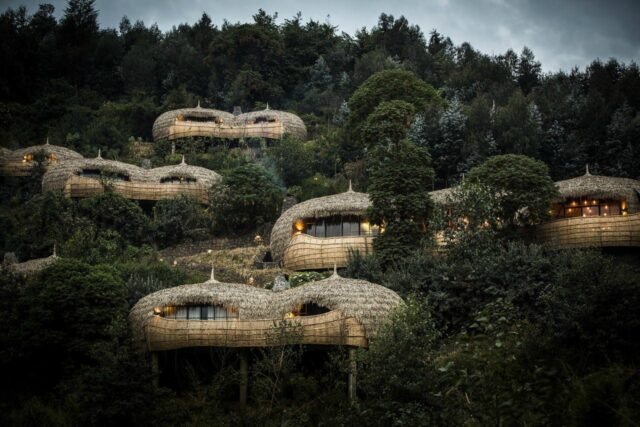
Wilderness Safaris Bisate Lodge, situated next to Rwanda’s renowned Volcanoes National Park, is on track to open for guests on 1 June 2017. Comprising just six forest villas, Bisate Lodge will offer a luxurious base from which to enjoy an extraordinary gorilla conservation experience and a holistic exploration of this beautiful region.

Situated within the amphitheatre of an eroded volcanic cone, the 27-hectare Bisate site is incomparable in terms of its natural splendour, with sweeping views towards the Karisimbi, Bisoke and Mikeno volcanoes.

It is close enough to Kinigi (the Volcanoes National Park Headquarters) to be convenient for guests’ morning gorilla treks, but far enough away so as to feel remote and even – as a result of the onsite indigenous reforestation project – part of the spectacular Park.

Featuring six luxurious forest villas, the real generosity of Bisate in the Rwandan context will be the amount of private and exclusive space that surrounds the Lodge, cosseting it in a rare natural landscape brimming with Albertine Rift biodiversity and beauty.

Each spacious forest villa will comprise a generous yet intimate combination of bedroom, reception space and bathroom, all warmed by a central fireplace and with breathtaking views out across a private deck towards Mount Bisoke.

Bookings for Bisate Lodge open on the 3rd of October 2016. All sales will be handled by Wilderness Safaris’ partner and ground handler in Rwanda, Thousand Hills Africa (previously Thousand Hills Expeditions).

“With over 12 years’ experience in tailor-making life-changing journeys in Rwanda, we are thrilled to partner with Wilderness Safaris and look forward to welcoming many guests to the luxurious new Bisate Lodge next year”, said Jacqui Sebageni, MD of Thousand Hills Africa.

How Tourism is Helping Gorillas and Communities in Rwanda

0
Rwanda Gorillas

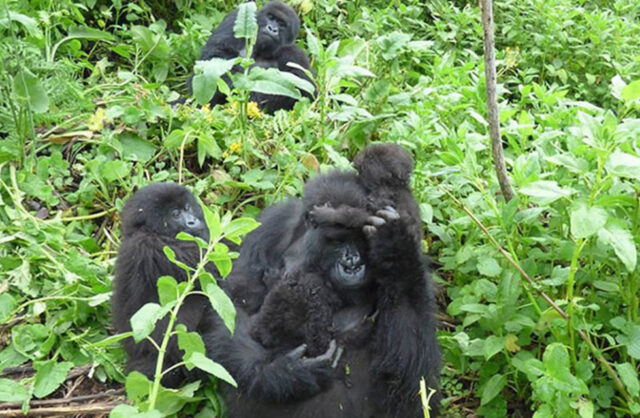
In the world of mountain gorilla conservation, every birth of a new born baby gorilla is a success. According to the 2011 gorilla census report, there are fewer than 1000 mountain gorillas left in the whole world, and half of this remaining population is found in the volcanic mountains of the Virunga range shared by Uganda, Democratic Republic of Congo and Rwanda. The rest of the population is found in the impenetrable forests of Bwindi National Park located in south western Uganda. 

Rwanda has about 10 habituated gorilla groups available for tourism purposes, and many tour operators in Kigali and Kampala offer a wide variety of gorilla safaris to Volcanoes National Park in Rwanda, making gorilla tourism the leading foreign exchange earner for the country. More importantly, tourism is aiding in wildlife conservation as well as helping to empower local communities. Here’s how:

Kwita Izina 

Kwita Izina is an annual Rwandan ceremony that involves giving names to the newly born mountain gorillas of the region. The main objective of Kwita Izina is to assist in monitoring each individual mountain gorilla in their family groups. The ceremony also aims to bring attention both locally and internationally to the importance of protecting these gentle giants in their natural habitat.

Through this event, officials help to sensitise the local communities around Volcanoes National Park and beyond about the importance of gorilla tourism as a new hope for this endangered species.

The ceremony attracts many people from different parts of the world and on that day, all accommodation units around the gorilla park are always full. Kwita Izina 2016 recently took place at Kinigi in Musanze, and was attended by thousands of people. This year 22 gorillas were named, a huge step in helping to protect this species.

Gorilla Doctors

The Gorilla Doctors are a dedicated team of professionals tasked with looking after the well-being of the endangered mountain and eastern lowland gorillas in Rwanda and DRC respectively. It is another support team for gorilla tourism, and a new hope for Rwanda’s gorillas. The many duties of the Gorilla Doctors include:

-Monitoring the health of each gorilla and helping to detect any disease or injury.

-Providing treatment to any ill gorilla in the wild.

-Rescuing and providing veterinary care to injured and orphaned gorillas by poachers.

-Conducting post-mortem reports of deceased gorillas to find out the cause of their death and learn how to prevent it.

-Preserving biological samples (for example; blood, feces) to be used by researchers investigating primate health issues around the world.

-Offering preventative healthcare to the dedicated park employees who protect the gorillas in the forest, the local community surrounding the gorilla park and their livestock as a strategy to reduce the risk of disease transmission from humans to gorillas.

Gorilla Doctors work hand in hand with the wildlife authorities in Rwanda and Uganda and with international conservation organisations such as International Gorilla Conservation Programme (IGCP) and Dian Fossey Gorilla Fund International.

Employment opportunities

Gorilla tourism creates employment opportunities for local communities around the gorilla parks including ex-poachers. For instance, people are employed in the park as rangers, park guides, wardens and porters. Others are employed in the hotel sector as waiters, lodge managers, security guards or chefs.

Furthermore, the hotels and lodges near gorilla parks create a market for local agricultural products such as vegetables, bananas, milk, and cattle. This again helps to create local awareness about the importance of gorilla tourism.

Iby’Iwacu Cultural Village

This is a non-profit umbrella organization with the main objective of improving the lives of reformed poachers and communities around Volcanoes National Park Rwanda as a way to conserve the mountain gorillas and their natural habitat. This is done through the provision of conservation incentives, supporting community enterprise development and livelihood based projects.

TravelLocal is Breaking Away from Mainstream Travel Industry

0
Travel Local

They bring onto one website the best local tour companies from across the world (an Indian company in India, a Peruvian company in Peru), facilitate communication with customers and bond all payments through ABTA.

They aim to bring the ‘buy local’ and ‘fairtrade’ movements into the travel industry: harnessing positive change and ensuring an authentic experience for their customers.

Each destination they offer has multiple sample itineraries and local tour operators can be contacted through their online platform to tailor-make each trip.

Whether its treetops or temples you’re seeking: TravelLocal can craft the holiday of a lifetime. The concept promotes a more sustainable way of traveling while not sacrificing on security, price or support (they have a 24 hour phone line in the UK so are always on hand to help).

Splendid Isolation on Liguria’s historic Old Salt Road

0
Liguria Salt Road

Aaron Miller embarks on a solo hike along Liguria’s historic Old Salt Road

Sometimes the wrong path is the best path. I was stumbling down the
side of a steep mountain slope, pushing through thorny bushes, scratched, thirsty and utterly confused. But I was smiling. While walking the Old Salt Road – an ancient trade route across the Ligurian hills in northwest Italy – I had become hopelessly lost.

But as I was cursing my lack of navigational instinct something magical happened. I rounded a corner into a mountain meadow filled with dozens of wild horses – muscled stallions with jet black manes, gold skinned mares and tiny foals still suckling on their mother’s milk. Startled at first, they soon found themselves more curious than afraid and gradually came to graze by my side. It took me half a day to find my way back again, but it was worth every cut and bruise. The best adventures always happen when you least expect it.

But walking the Salt Road isn’t just an adventure; it’s a part of history. For more than a thousand years, mule herders carrying precious salt from the ports of Liguria would traverse this network of trails over the Apennine mountains to trade with the fertile plains of Lombardy, returning laden with wheat, wine, salami and cheese. Their footsteps have now all but vanished, but that may be set to change. A new trip is enabling people to walk the Salt Road again and, in doing so, it’s opening up a part of Italy that few tourists have explored.

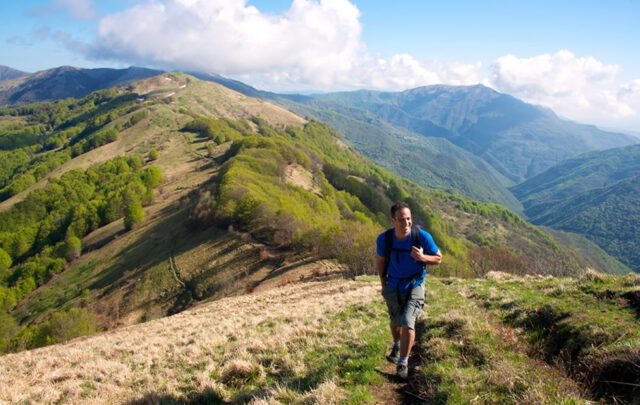
By following the route for 129 km (80 miles), from Oltrepò Pavese, just north of Genoa, to the small port of Camogli in Liguria, I hoped to help re-establish that ancient legacy and discover, along the way, an authentic glimpse of rural Italy: fiercely traditional, defiantly unglitzy and full of genuine welcome and honest heart.

The route begins in rolling fields of Pinot Noir and Bonarda grapes. Oltrepò Pavese is the largest wine-growing area in Lombardy and every available space
is filled with parallel rows of black root vines and the gentle bustle of worked land. I walked for two days through tiny terracotta hamlets and small peach farm holdings to reach Varzi, a snug valley
town that was once an important
stopping point on the Salt Road. In the narrow alleyways of the old section,
nestled between the faded facades of medieval monasteries and dry-stone witches’ towers, it’s still possible to see
the cavernous holds under houses where traders would have set up their market stalls.

From there I climbed steeply into the Apennines, following a high panoramic ridge line south for three days, the mountains empty and silent but for the disappearing canter of deer hooves and the woody clatter of cowbells unseen in clouded valleys below. At the summit of Monte Carmo I shared the dawn with a dairy farmer and his herd – the only other person I saw walking the trail. From the top of Monte Antola – where Einstein famously camped out as a teenager while hiking part of the Salt Road – I could just make out the snow on the Alps in the north and the sun on the Mediterranean to the south. The Apennines may just be Italy’s best-kept secret.

the Real Italy

Deeper into the mountains, the hospitality became even more delicious, too. At the sleepy mountain lodge Capanne di Cosola – once the centrepiece of partisan resistance during the Second World War – I ate hand-picked wild mushrooms and four individual plates of pasta before my main course even arrived. At the eco-farm Villa Tiffany we laughed through an entire three-course dinner of stuffed calamari and gnocchi pesto using only Google Translate. “The secret of great cooking,” owner Francesca typed into the screen, “is the water. Here, we have mountain springs so everything tastes good.”

On my last day, belly full and legs tired, I climbed down to the lower Ligurian hills of the Uscio Valley. Small wooden fishing boats sailed into the vastness of the Mediterranean as a sea mist drifted up from the coast beneath me. I had reached the end of the Old Salt Road.

That night in the cute, multi-coloured port of Camogli, they would celebrate the annual Sagra del Pesce, an eccentric local fish festival that involved religious processions, burning effigies and free fish risotto. But I couldn’t stop thinking about those mule herders. When I was lost on the mountain I had a glimpse of what their arduous journey must have been like. And now, having arrived at the end of the road, they would have had to restock on salt, turn around and do it all over again.

Thankfully, I had it much easier. I wandered Camogli’s medieval streets, ate ice cream on the harbour wall and let the real, traditional Italy wash over me. Sometimes the best path is the path you’ve just finished walking.

Now You Can Have an Italian

0

An Italian – style road trip in South England that is.

Last week I sunk my teeth into a homemade calzone, savoured the rich texture of a real gelato and washed it all down with a delicate espresso. I finished the day with my toes in the ocean and a vest-top suntan.

There is no place like home…when it’s sunny and you know the right places to go. You’re about to find out about how I went about an Italian-themed road trip – from London to Dover.

Let’s do it.

Al Forno Pizzeria & Ristorante

It may have cost over £25 to get my hands on the tastiest calzone I’ve had outside of Italy…but I was starving! It was well worth spending some pocket money.

Al Forno is here:

1-3 Townend Parade High Street
Kingston upon Thames
KT1 1LY

The restaurant sits right facing the Thames and is just due minuti from the Old Market Square in Kingston upon Thames.

Everything is home cooked – the ham, ricotta and mozzarella calzone (with an extra topping of anchovies) made up the perfect lunch for a hungry road tripper like me, who had yet to have any breakfast!

This hearty Italian meal marked the beginning of our trek to Dover and there was method in our munching – we didn’t plan on eating later on because we wanted to stay on the beach until sundown.

Caffé Vergnano

I didn’t realise this café was even a chain until today, when I Googled the address – which is here if you’re interested:

62 Charing Cross Road
London
WC2H 0BU

The venue is so, I don’t know, real.

We dropped in on our way through London-London (we thought we’d be a bit touristy for my Scottish friend Rachael) and I was amazed at how authentic the place felt. That’s probably because it is actually authentic.

Yes, I know, we hadn’t planned on eating any more but we all instantly regretted not having a dessert back in Al Forno and so gelato was definitely on the cards. Needless to say, it was pretty sweet.

And they use the most spectacular old-school machines to make the coffee.

I have an uncle who travels to Modena in Italy every year. He is super fussy about his espresso but I think even he would have a smile on his face in Caffé Vergnano.

It’s about half an hour from Al Forno to Central London. If you’re pushed for time, you’re probably best having dessert at Al Forno and heading straight to Dover via the M25/26.

Advice time

If you’re coming in for a holiday from out of town (or even overseas), I’d always suggest looking into car rentals at Holiday Autos first.

Rachael flew in from Aberdeen and the car she booked was waiting for her at Heathrow. We ran it to Dover and back with far too many beach accessories in the boot – and it was smooth all the way.

There always seems to be a deals on for UK bookings and when the weather is as nice as it has been, it works out much cheaper than flying out to Rodi Garganico.

Shakespeare Beach

Now, I say Rodi Garganico because the beach we aimed for and reached in Dover reminds me so much of a stretch of sand in Puglia that I fell in love with a long time ago, when travelling with the folks.

I’ve done some scouring online and found a couple of images for you to get what I’m talking about…

The way the track runs right alongside the sand in Dover is lovely and I’d have liked to ride in on the train (but wow – we really felt the benefit of the car on the journey back).

When civilization lines up parallel against some blue waves like that, it feels more European than British to me (if that makes sense). There is nothing better than hot sand under your feet and the cool spray of the sea against your skin.

It was cool to see Shakespeare Cliff while we were there but it didn’t quite fit with our Italian-theme to focus on Britain’s favourite son. Plus, we had only travelled here for two very basic things – to swim and sunbathe.

It felt amazing to hop into the sea from a British shoreline without shivering to the bone. The only downside was that we had arrived so late and the sun was dropping fast.

So, I can’t recommend Dover’s beaches enough but my best advice would be to head out as early as possible. We didn’t leave Caffé Vergnano until about 14:30-15:00!

If you’re not so much of a road tripper and want to chug in by train, I’d compare tickets on National Rail and pick the cheapest – easy.

But like I say, you really appreciate the legroom of a car when you’re travelling back to London and so the Holiday Autos car hire from Heathrow Airport (with a discount code if possible) is definitely the comfiest option.

For me, it’s amazing to know we can actually enjoy a slice of the continent here in the UK.

Yeah, it’s never going to beat the real thing. But when the sun is burning down on you like you’re in the Mediterranean why not live like an Italian for the day?

What kind of road trips have you enjoyed at home?

I think this country is more amazing than we all give it credit for. How about you? Put your thoughts down in the comments and I’ll get back to you.

How to Prepare for Glastonbury Festival

0
Glastonbury Festival

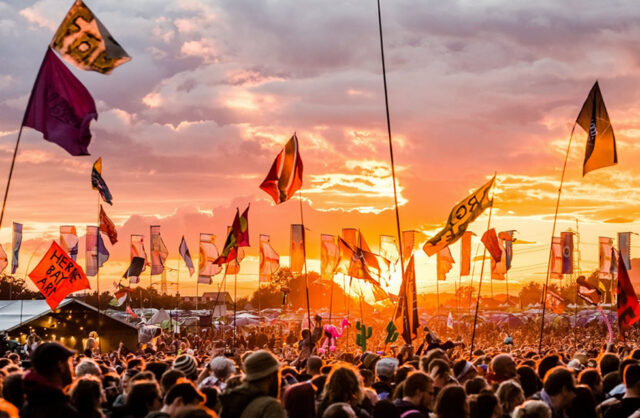
Glastonbury Festival, one of the most exciting and awesome festivals in the UK has come up knocking at your door. It is one of the biggest and the most prestigious outdoor music festivals of Europe and has its fans all over the world.

There is live music, there is finger licking food, and there is fun.

Who doesn’t like that?

It is a whole new experience and those who have never attended should defo consider it.

But not everything is easy and peachy.

Glastonbury may change into a nightmare for you if you go there under prepared.

So let’s make sure it’s one of the best experiences and follow a few suggestions from us.

We will tell you what to take to the great fest and what to avoid.

Must haves for the Glastonbury Festival

1. Raincoats & Wellies

UK festivals are amazing but the fickle weather can make it an unwelcoming experience. It may will rain and there will be mud everywhere. If you have your willies or hiking boots on, then there’s nothing to worry about.

2. Two layer tent

You do not want to wake up in a puddle of rain. Invest in a two layer tent that will keep you dry. Have a read of this tent buying guide from Mountain Warehouse and you’ll understand the pros and cons of each type of tent available on the market.

3. Shee wees

Sounds weird? Kinda is. But instead of peeing around every corner and every tree, you would appreciate this little invention. As even though there are public loos around, they are jam-packed and there is always a huge line of people waiting for their turn.

And in that case, a shee wee can act as a savior.

4. A torch 

A torch is recommended wherever you go and when you are at Glastonbury, you never know when you may need it. If you wake up in the middle of the night and need a wee, then there you go. It paid for itself.

5. Mobile power banks 

These are absolute life savers. A portable mobile charger will ensure that you never run out of your cell phone’s battery when you want to take a Selfie that would make your friends jealous. And if you attended any type of event in the past 12 months you probs already have loads at home. Charge two or three and take them with.

6. Sunglasses

Though the weather is mostly cloudy during the festival, the sunglasses will keep your newly formed “panda eyes” hidden from the crowd. Plus, they’re cool.

7. Paracetamol

And any other type of headache reliefs that you can get – like ibuprofen.

At Vfest, they had oxygen bars. But just in case you can’t find one, just take the paracetamol.

You go to a festival to have a good time and have a couple of drinks. Let’s make sure you can beat that hangover.

Avoid These to Enjoy the Fest whole-heartedly

  • Valuables– Never take valuable items with you at a festival. Sounds like a pretty basic thing, but you’d be surprised what people categorise as valuables these days. You don’t need the tablet or laptop. And you defo don’t need 30 pairs of earrings. You don’t have a safe place to keep them and you’ll end up losing them or have them stolen.
  • Excess Clothing– Light packing is a skill. You can read on tips and tricks There is no need to carry an extra set of clothes and increase your backpack’s size.
  • A restrictive mind– Glastonbury festival is one of those UK festivals which is not only famous for loud music but also for being a great experience for all those who have stiffened their backs in the office all year.

Check up the lineup on the site: http://www.glastonburyfestivals.co.uk/line-up/line-up-2016/

Enjoy every opportunity you get and love the atmosphere. Sing at the top of your voice, get drunk at the bar, get wet in the rain and get soiled in the mud. You never know when you will get this chance again.

Next festival is Vfest. Here’s another post on 5 essential things you need at a UK festival.

You’re welcome 🙂

Kahuzi-Biega National Park: An Island in the Middle of an Ocean of Poverty

0
Kahuzi Biega Gorillas

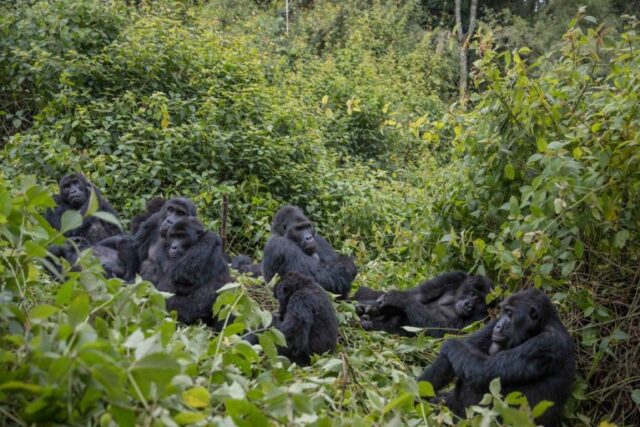
In the Democratic Republic of Congo (DRC), the Kahuzi Biega National Park (KBNP) was created in order to protect the Eastern Lowland Gorillas (ELG), which is threatened by extinction. It has two sectors: the highland sector, which was originally created in 1970; and the lowland sector, where the park was extended in 1975. KBNP was the first national park to offer gorilla tourism in the early 1970s, but conflict and poverty in the region since then has led to encroachment of the park boundaries and a sharp decline in tourism.

The management of KBNP falls under the remit of ICCN (the Congolese Wildlife Service), which employs staff to protect the park, prevent poaching and support tourism. These staff work hard, but they are only a small force tasked with protecting an enormous area, making conservation work difficult. Communities around the area are heavily reliant on the KBNP for their livelihoods; collecting firewood, building materials, mineral extractions and bush meat from within the park. The men and women – both young and old – that engaged in these activities were often arrested and put in the park’s jail and forced to pay fines. This was in spite of the high levels of poverty among communities involved in these activities.

John Kahekwa Munihuzi born from the community in the highland sector of the KBNP was one of these rangers employed by ICCN as a teenager in the early 1980s to protect the park and learn more about the gorillas to habituate them for tourism. Tracking the gorillas each day, he was able to develop identification methods for 155 gorillas living in 6 groups, as well as the changing human pressures on the park; these pressures were at their most intense in the war years between 1996 and 2003. During this period, half the populations of gorillas in KBNP were killed for bush meat, trophies and selling live babies, as well as the entire elephant population in the park was killed. Before the war, and since its end, pressures reduced slightly, but many still remain, driven by the poverty of the surrounding communities and their resentment due to their sense of exclusion from the park.

John Kahekwa was shocked by these conflicts between the park and surrounding communities and wanted to better understand why they were happening. He interviewed more than 450 people from surrounding communities and kept hearing the same reply, “Empty stomachs have no ears, the KBNP is not for us, but rather belongs to the wardens, rangers and overseas organizations. We are poor and jobless and have no other way to live without entering the park, our former homeland”. John asked these people whether giving those jobs would fill their stomachs and open their ears to protecting the park; the answer was a universal “YES”.

John was determined to help these communities. In 1986, he used the tips he was given by tourists he had taken to visit gorillas, and bought t-shirt souvenirs to sell to tourists. This business worked well, and he was able to generate more revenue from a small part he acted in the film Gorillas in the Mist, BBC and ABC Sport documentaries and afterwards delivering lectures about KBNP’s gorillas. He managed to save USD $6,000, and – in partnership with fellow ranger colleagues and members of the local community – founded the Pole Pole Foundation (POPOF) in 1992. The vision of the foundation was to use an inclusive model to work for conservation and sustainable development of KBNP and the surrounding communities.

POPOF was welcomed by communities and set about researching where the main human pressures were placed on the park. Almost a 90% of people are living in poverty and dependent on resources from within the park for their survival. Also a 75% rate of illiteracy, and that the park totally lacked buffer zones between communities’ farmland and the park boundaries. To address this, POPOF delivered environmental education programmes, economic development schemes and tree planting activities.

The foundation has continued to expand its reach since its inception more than two decades ago, and now delivers projects within six key themes:

1) The contribution to the habituation of new gorilla groups in the park and the gorilla members’ identification for the tourism.
2) Tree planting schemes, which have led to the planting of over 4 million trees in four groupings surrounding the park, engaged women in tree planting through its “women to face climate change” programme, and created a multiple use buffer zone between communities and the park. When trees often mature, they are sold for building materials and charcoal to provide income for families. Since the creation of this scheme, illegal deforestation has been reduced in areas POPOF acts.
3) Livestock programmes to reduce bush meat hunting. The foundation distributed pigs, goats and guinea pigs to families; families used these animals for meat and also sold livestock offspring to create an income. Bush meat poaching in the park declined as a result of these programmes.
4) POPOF has also worked with an often neglected group, the Twa pygmies. The foundation provided sewing machines and trained Twa women to make clothes and ranger uniforms. They were the first foundation to create a development project for Twa women although a fund was limited to maintain the project.
5) POPOF has also trained ex-poachers in wood-carving. Men and women involved in the scheme carve gorillas in different poses and some carvings are sold as souvenirs in the visitors centre at Tshivanga the KBNP’s headquarters.
6) POPOF has launched an education programme to inspire a young generation to better understand the importance and value of the park and work to protect it. They created the Anga-POPOF-Miti education programme, which is formed of three schools; a kindergarten, elementary and secondary school. Students in the school undertake the conventional DRC syllabus and in addition carry out tree-nursery training and seedling distribution. The school has graduated many students, some of whom – if their families have the means – have progressed to university.
7) After winning the 2013 Whitley Fund for Nature Award, POPOF is now expanding its programmes into Itebero the lowland sector of the park, responding to the needs of communities there for fish pools to provide livelihoods and reduce poaching.

A day of harvesting fish from pools in Itebero-KBNP’s lowland sector in order to fight against poverty and bush meat consuming by POPOF.

POPOF has addressed many of the threats to the park, but other threats remain, and the foundation does not have the necessary funding required to implement all the projects that are required to address these threats. ICCN and International Conservation NGOs are working to address many of the threats facing the park and are running some very effective programmes in some areas; however, large human pressures continue to afflict the park each year. For example, the eco-corridor between the highland and lowland sections is particularly affected, with 95% of the area settled by rich farmers. A significant weakness of these projects is a lack of trust by local communities. ICCN has authority over the park, but lacks authority over surrounding communities. International Conservation NGOs bring large budgets to fund projects, but local communities do not trust them in the same way as they do local Conservation NGOs, and these international Conservation NGOs rarely work with local conservation organisations to implement their projects.

We all have a duty to protect the KBNP as a world heritage site and other protected areas of DRC, as well as the communities surrounding those. The only way we will achieve this is by increasing collaboration between organisations. We must form partnerships between ICCN, international Conservation NGOs, local Conservation NGOs and communities. Together, we can fight the poverty surrounding the park and in the process protect KBNP and other areas protecting the sub specie of the Grauer gorillas known as “the forgotten gorillas”, the flora and fauna within. This is the best, and indeed the only, way to protect the most wonderful World Heritage Sites of the Democratic Republic of Congo.

To know more about conflicts between Park managers/communities around and resolutions. Please email to:
popofgrauer@gmail.com
kahekwajohn@yahoo.fr
or call:
+243 9 98 89 95 98.
Website: www.polepolefoundation.org

0FansLike
3,912FollowersFollow
0SubscribersSubscribe
- Advertisement -
Google search engine

Don't Miss