



Home Blog Page 6

Tips for Traveling with Small Children in Hong Kong
0
Hong Kong Family

Hong Kong is a city of contrast and surprises. On one side, there is a bustling metropolis teaming with skyscrapers and shopping centers while, on the other hand, there is a natural habitat replete with mountains, sandy beaches, woodlands, and wetlands. The amount of things to do and see in Hong Kong is limitless, especially for young children with wild and vivid imaginations. Taking your kids here will expose them to a new plethora of experiences that cannot be achieved back home. However, taking your kids on a trip across the globe can be quite a challenge and a new experience altogether. Hence, this article aims to provide you helpful tidbits to help you and your children make the best of your Hong Kong family vacation.

Traveling to Hong Kong Checklist

If you are planning on going to Hong Kong (or anywhere else in the world), it comes without question that traveling with infants to small children can be quite tedious and tiring. Therefore, it is advisable for parents to take extra precautions when planning a trip. Even the simplest of items are a necessity in order to keep the young ones happy.

  • When it comes to traveling with children, it is always recommended to carry an extra small suitcase specifically for your kids. There will be things along the way kids would want you to buy. Keep items in this separate luggage so it doesn’t mix up with your belongings.
  • Before booking your flight, make it a point to inquire about the airlines’ seating arrangements to keep you, your kids and other passengers comfortable. If you are traveling with a small child, read up tips and tidbits on what you can do when your child experiences air pressure differentiation or abrupt emergencies. It’s best to notify the airlines during the booking ticket phase.
  • Suitcases are an essential component for travelers. It goes without saying that you need to identify your belongings quickly at the baggage claim section. A smart thing to do is to purchase a brightly colored suitcase or fix a colorful ribbon on all your bags, to make it easier for you and your kids to identify your luggage.
  • During the flight, allow your kids to watch TV or play games on the plane to keep them in good spirits. However, if you are traveling during the night, make sure the gaming accessories are turned off at appropriate times. If your child insists on playing the games, advise them to wear ear or headphones and to stay as quiet as possible.
  • Whenever you are traveling with a family, take the time to research for a family or kids friendly hotel, fully equipped with kid’s friendly activities and amenities like swimming pools or kid’s clubs.
  • Make it a point to carry non-messy, non-perishable food items or snacks for them. The snacks can be handed over to the children once you reach your destination.
  • Plan on where you want to go with your children. This will help eliminate fatigue and make your tour much more manageable.
  • If you are traveling with a toddler, carry an extra pair of clothes and nappy wipes. The clothes should be placed in an easy to access suitcase compartment.

Accommodation

A visit to Hong Kong is never complete without a visit to some of the island’s famous hotels and eateries to sample some of the finest cuisines from Asia and the rest of the world. One of the most stupendous hotel establishments in the port city is Novotel Nathan Road hotel. The facility’s 389 fully-furnished guest rooms are ideal for travelers staying in Hong Kong for business or holiday. The Novotel Hong Kong Nathan Road Hotel is located close to Kowloon’s CBD as well as the Jordan MTR. The hotel is catered to both business and family travelers from around the globe. The hotel has different rooms on offer, and the hotel can provide comfortable cots or beddings for younger children as well. Additionally, the hotel is part of the Planet 21 movement; a commitment across all Accor hotels to ensure the hotel follows eco-friendly practices to reduce, reuse and recycle material.

Additionally, the hotel is also committed to serving the best and healthy meal choices for its patrons, including children as well.

Things to do with Kids in Hong Kong

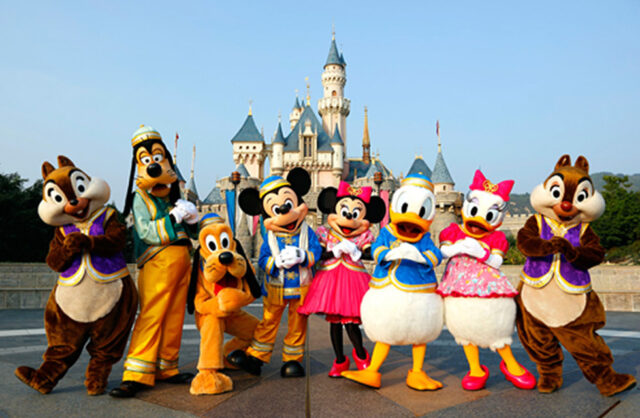
There are many fun things to do with children in Hong Kong. The best places to visit are Hong Kong Island, Kowloon Peninsula, and the Outlying Islands. In Kowloon, there are many favorite activities for kids to do such as swimming, hiking, trying out new dishes, ferry rides and going to Hong Kong Disneyland. The best places for swimming are in Stanley and Repulse Bay, Tung Wan Beach, Cheung Sha Beach and Lo So Shing Beach, just to name a few. Some places even provide camping grounds for families such as Aberdeen Country Park, and Tai Tam Country Park are two areas to consider. These two parks have trails promise excellent views of the city and sea.

The Kowloon peninsula is home to other attractions including open air markets, Kowloon Park, and double-decker bus rides. For open-air markets, it gets a little crowded at night, therefore, as a recommendation, it’s best to go when the markets are just setting up. Places such as the Temple Street Night Market or Ladies’ Market can be quite intimidating for young children as there are a lot of sounds, smells, and tons of people. Although markets are a great place to grab some local snacks and knickknacks, the crowd maybe a little too intimidating for them, hence, it’s recommended to go early.

If the markets are too intense for your children, take them to Kowloon Park. Kowloon Park is one of the larger parks smack dab in Hong Kong and offers solace for those who seek it. The park offers a broad range of facilities, including a swimming pool and an aviary for starters. Most notably, the park is quiet and

Kowloon Park is a distinctly green space in the midst of hustle and bustle of Hong Kong business district. You can travel with kids to the crowded shopping centers and streets in Kowloon on a double-decker bus and enjoy the sights. The Outlying Islands of Hong Kong are readily available by ferry; the average distance between most of these islands and Hong Kong Island is about one hour. The popular Outlying Islands sites to visit with kids include Tai O Fishing Village, Lantau Island and Po Lin Monastery. Taking your kids to Tai O Fishing Village will be a treat since this location offers something extraordinary; a chance to get up close and personal with pink dolphins. You can book tours in the village to go see the elusive pink dolphins. However, do keep mind that these are wild animals, and you may or may not see them!

From Lantau Island, you can hitch a ride back to the mainland via the Ngong Ping 360 cable car. The cable car is one of Kowloon’s most defining transportation methods as you can get spectacular views from above. Other spectacular places to take your children are Hong Kong Disneyland, Ocean Park, Avenue of Stars and Hong Kong’s ginormous shopping malls are some ideas to take your kids for a fun day out.

In conclusion, there are a handful of things to do and see in Hong Kong and it comes to no surprise why many people choose to travel to Hong Kong for a memorable vacation! Going to Hong Kong will open new doors for you and your children to experience; a new culture, tradition, food as well as broaden their cultural horizons for many years to come.

Ways to Make a Difference with Community Work Abroad

0
Volunteer Abroad

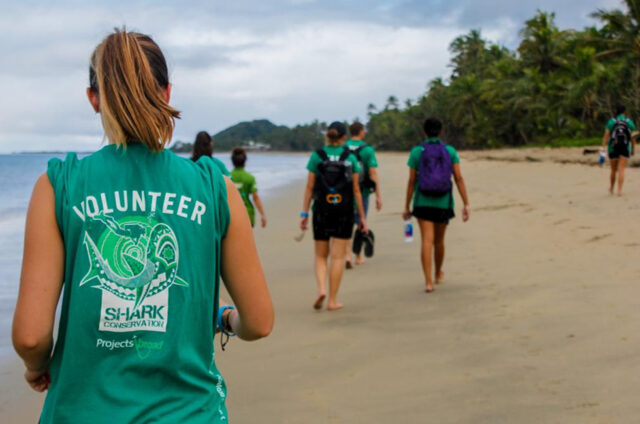
There are loads of options for volunteering overseas, but I reckon working with local communities has to be among the most rewarding. There are just so many ways to help, and you’ll know that what you’re doing will make a real difference to their future. To get a few ideas of the kinds of things you can do (and where), read on.

Work with children

Working with underprivileged children has a real appeal – after all, they’re often the worst affected by adversity, and the least able to protect themselves. While teaching might be the most obvious way to help, it’s not the only route to go down. For example, you can:

• Carry out community work in Jaipur. This may be a beautiful place, but it is blighted with chronic poverty. You can get stuck in at a local community centre and work on a project with a broad focus, aiming to improve everything from health levels to education. As well as playing games with the children, encouraging sports and assisting at mealtimes, you can pitch in with the general maintenance of the centre – something that makes the environment more pleasant for everyone.

Sports programmes

These can be a really interesting way of helping out local communities. Some projects are simply designed to give people a chance to do things they wouldn’t normally be able to, while others are about empowering people through sport:

• Surfing with disadvantaged children in South Africa. This falls into the former category, giving kids who can’t afford to surf the chance to do so. Don’t panic if you can’t actually surf yourself; you’ll be taught while you’re there, and then you can teach others.

• Sports development in Swaziland. This definitely comes under the bracket of empowering people through sport. Swaziland is badly affected by HIV/AIDS and many children here have their families shattered by it. As a result, they turn to crime. This kind of project helps steer them back on the right path and inspire them to achieve through all kinds of sports. You’ll help with things like training and organising mini competitions for young people to take part in.

Building work

Volunteering with local communities needn’t mean teaching in some form (though that’s certainly a popular choice). If you want to get your hands dirty and get really involved in the local community, building work’s an incredible choice – especially as you know the what you help construct is desperately needed.

• Build homes for Costa Rican families. Helping to build someone’s home is immensely rewarding, and if you head to Costa Rica, you can work closely with families to give them a new place to live. Lots of the housing here just isn’t good enough in terms of sanitation and weather proofing, so the work you do will seriously help to improve the quality of life of people who need it most. You can work on all kinds of things, such as digging trenches, mixing cement, preparing foundations.

• Renovate schools in Nepal. Homes aren’t the only option for building work. Travel to Nepal and you can assist with vital projects in schools, from helping to improve existing rooms to building new ones and gardening. You’ll be taught any skills you need to know, but bear in mind this is pretty tough physical labour – especially since there aren’t any handy machines like cement mixers to use!

These are just some of the ways you can help local communities while you’re travelling. Have you got any stories of your own time spent volunteering overseas?

10 Amazing Places to Visit in DR Congo

0
Nyiragongo Volcanoes

The Democratic Republic of Congo is a country with great natural resources and wonders. Apart from gold, diamonds and oil, the Congo has over 15 other mineral resources. I should point out at this point that the uranium ore used to build the first atomic bombs were got from the Shinkolobwe Mines in the country. Minerals aside, Congo is a paradise for wildlife and nature lovers. From Africa’s big 5 animals to birds and reptiles, the country has it all. The Congo is home to wildlife species found nowhere else on earth including the elusive okapi, bongo, bonobos (pygmy chimpanzees), Congolese Peafowl, eastern lowland gorillas and mores. It is only in the Congo where tourists go on gorilla safari can track both wild mountain gorillas and Grauer’s gorillas (Eastern Lowland gorillas). Other beautiful attractions include active volcanoes, waterfalls.

There are also incredible cultural experiences with tribes like the Mbuti Pygmies. These pygmies still live like they used to over 10,000 years ago. Stay with the Mbuti pygmies for a week and you will go back home with amazing stories to tell your friends. Cultural experiences aside, there are also amazing physical features like the Nyiragongo Volcano. The experience of observing the boiling Magma on top of these mountain revivals any game drive you will do in the Masai Mara or the Serengeti National Park. But there is more. Congo is blessed with amazing waterfalls and endless rivers. Following the river Congo by boat for a month will give you an opportunity to appreciate the country’s natural beauty and tourism potential.

There is great hope for the country and things are improving. Increased globalization means the Congo cannot be left behind. Soon the rebels and militias will be no more and when that happens, people will begin realizing what they have been missing. There are many who predict that the Democratic Republic of Congo will become one of the most visited countries in Africa in the near future.

Virunga National Park

Virunga is the oldest national park in Africa and one of the many UNESCO World heritage sites in the Democratic Republic of Congo. The park was established in 1925 and is located in the eastern part of the country. Virunga was at first named Albert National Park and by then included the Volcanoes National Park in Rwanda and parts of Mgahinga Gorilla Park in Uganda. Virunga is the most visited national park in the Democratic Republic of Congo. What stands out about it apart from volcanoes and mountain gorillas is the remarkable biodiversity. Virunga is home to lions, leopards, chimpanzees, elephants, hippopotamus and rare creatures like the okapi. Gorilla trekking in Virunga National Park is the most popular activity followed closely by hiking Mount Nyiragongo.

Mount Nyiragongo

The Nyiragongo Volcano is one of the key attractions in Virunga National Park and its plumes of smoke can be seen from as far as Rwanda during the night. Nyiragongo is an active volcano with the largest lava lake on earth. Ever since 1984, the mountain has erupted 34 times with the last occurring in 2011. Every year thousands ignore the bad press and security reports from their embassies for a chance to call themselves as one of the few who have observed a lava lake up-close. When combined with gorilla trekking in Virunga and visiting the Serengeti/Masai Maraa, you would have done something that you can talk about with pride to your folks back home. Climbing Mount Nyiragongo takes two days and you will be left in awe at the sight of the lava lake. Nyiragongo hiking tickets cost $300 per person including a night spent on cabins while at the summit.

Senkwekwe Gorilla Orphanage

After visiting the gorillas in the wild, tourists who book with Mikeno lodge have an opportunity to visit the Senkwekwe Gorilla Orphanage. This is the only Mountain gorilla orphanage in the world and about 7 individuals call it home. The center also rehabilitates Eastern Lowland gorilla orphans for a while before relocating them to the Eastern Lowland gorilla orphanage known as the Gorilla Rehabilitation and Conservation Education Center. The center was named after a giant silverback known as Senkwekwe. Senkwekwe was killed by poachers as he attempted to protect his family and recover an infant captured by animal traffickers.

His death and the capture of other infant gorillas laid the foundation for the establishment of this center. The Center is set on a stretch of forest allowing the primates to experience the same conditions of their wild relatives. The Senkwekwe Gorilla Orphanage welcomes volunteers who are interested in learning more about mountain gorillas. If you are enthusiastic about gorilla conservation, you can sponsor one of the gorilla orphans or donate to the Sanctuary. Visiting the Center is free to tourists residing in the luxury Mikeno Lodge.

Maiko National Park

Maiko National Park covers an area of about 10,885 square kilometers. Most of it is forest and an important global carbon sink. Like most of the National parks in the country, it is located in a very remote area. In fact, it is Congo’s most inaccessible game park. The park consists of 3 sectors – Maniema, Province Orientale and North Kivu. Maiko National Park is one of the last strongholds of the Grauer’s gorilla – also known as the Eastern lowland gorillas. These are the largest subspecies of gorillas. Other animals endemic to the Congo but found in Maiko include the Congo Peafowl and Okapi. Maiko National Park is an important conservation site for aquatic genet, chimpanzees and African forest elephants. Visitors should also look forward to spotting leopards and the elusive bongo.

Kahuzi-Biega National Park

This national park is found in found in the Eastern part of the Democratic Republic of Congo – near the border with Rwanda and close to Lake Kivu. Kahuzi-Biega National Park National Park is another of the many UNESCO World heritage sites in Congo. The gets its name from two extinct volcanoes known as Kahuzi and Biega. These two volcanos paint the landscape and are joined together by a small stretch of forest. Kahuzi-Biega National Park offers travelers that complete wilderness charm and feeling that only the Congo can provide these days. The park is an excellent travel destination for travelers who desire to do something different or discover Africa’s last remaining true wildernesses.

Other than pristine wilderness, Kahuzi-Biega National Park is one of the last strongholds for the largest gorilla species on earth – the Grauer’s gorilla.  About 400 individuals are found in the park with others found in Maiko National Park and some other reserves in the neighboring areas. In total, about 5,000 Eastern lowland gorillas remain on earth and they are all found in the Democratic Republic of Congo. Interestingly, despite not having the largest population of the primates, Kahuzi Biega is the best place to see the Eastern Lowland gorilla. Eastern lowland gorilla trekking is the most popular activity but tourists can also register for chimpanzee tracking, visiting the chimpanzee sanctuary in Lwiro, birding, mountain hiking and nature walks to discover amazing waterfalls.

Salonga National Park

Salonga National park is located within the Congo River basin and covers an area of about 36, 00 square kilometers. It is a UNESCO World Heritage site because of the dense forests and remarkable creatures that call it home. The tropical rain-forest which makes up much of the national park is so dense that new species are still being discovered. The park was declared a World Heritage site in danger since 1999 because of continuous civil wars in the eastern Congo. These civil wars have allowed poaching for bush meat to thrive.  Regardless of the civil wars and poaching, Salonga remains a major tourist attraction for the future because of its extensive forests and remarkable biodiversity. Among the wildlife found in the park include the rare Congo peafowl, forest elephants, bonobos, salonga monkeys, Tshuapa red Colobus monkeys, okapi and the African slender-snouted crocodile. The road networks within and outside the park is poorly developed. Because of that, the only way to access the park is via the river.

Garamba National Park

Garamba is a UNESCO World Heritage site for its collection of plant and animal life. The park was established in 1938, making it one of the oldest national parks in Africa. The park consists of endless savannah grasslands and woodlands which continue all the way to South Sudan and the Central African Republic. Garamba once home to over 20,000 African elephants but now only about 1,500 remain. Extensive poaching may soon wipe out the last known population of White Rhinos if conservationists lower their guard. Garamba is arguably the best par for standard game drives in the Democratic Republic of Congo. Visitors can view all the big 5, giraffes, hippos, antelopes and birds.

Lake Kivu: Lake Kivu is one of the largest lakes in Africa. It is shared by Rwanda and the Democratic Republic of Congo. Lake Kivu lies next to the great Virunga and Kahuzi-Biega National Park. Under the lake is a large reservoir of methane gas which scientists believe is a disaster waiting to happen if the right conditions present it or if a volcanic eruption occurs among one of the Virunga volcanos. After a long safari in Congo or Rwanda, Lake Kivu is excellent for relaxation, swimming, island hopping, visiting local fishing communities, canoeing, kayaking, biking and other water spots. Fishing is also possible and the main catches are Nile Tilapia, Tanganyika sardines, Clarias, Haplochromis, Barbus and Limnothrissa miodon. There are no hippos, crocodiles or bilharzia to worry about while swimming in Lake Kivu.

Idjwi Island: Also known as Ijwi, the island is found in Congo’s section of Lake Kivu. The Island covers an area of about 340 square kilometers and is considered the 2nd largest inland island in the continent of Africa. Idjwi Island is home to about 200,000 people. Most of them survive on subsistence farming and small scale fishing. Idjwi Island became a kingdom in the 18th Century and had a connection to the ruling monarchy Rwanda at the time. Tourists who visit the Virunga and Kahuzi-Biega National Parks often visit the island for cultural tours, hiking and also to explore the beautiful Lake Kivu. Boat rides to the island from Bukavu (near Kahuzi-Biega National Park) takes about 2 hours. Once there, the only means of transport is by bike, motorcycle or walking.

Okapi Wildlife Reserve: The Okapi Wildlife Reserve is one of the many beautiful attractions and UNESCO World Heritage sites in Congo which have been hidden way from much of the world. The reserve covers about 14,000 square kilometers and one fifth of it consists of dense forest. Okapi Wildlife Reserve rewards those who are fortunate enough to visit with amazing scenery, a chance to observe the elusive okapi, other wildlife species, waterfalls and a cultural encounter that is second to none in Africa. To find the elusive okapi, one needs at least 3 days in the Ituri forest. The search is interesting because it is led by Mbuti pygmies. They are the ones who know the secrets of the forest and can locate the okapi using instinct or small leads. While tracking the okapi, the pygmies will introduce you to their lifestyle of hunting and gathering in the forest.

Budget Travel: Climbing Kilimanjaro the Financially Savvy Way

0
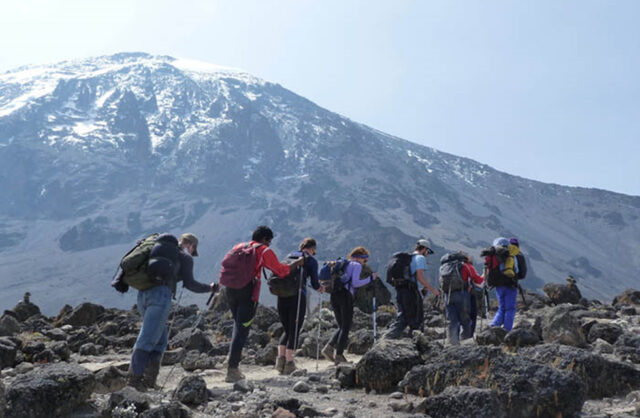
Kilimanjaro Hiking

Climbing Kilimanjaro might be a dream of yours, but it’s wise to make sure the costs don’t turn into a nightmare. When you’re new to Tanzania, as for any place, you won’t necessarily know what’s an overpriced rip-off and what’s too cheap to be safe.

So, we’ve put together an idea of what to think about when you’re planning your trip. The cheapest deal might not be the best, but you don’t need to go for the uber-expensive option either. There are over 200 licensed tour operators offering Kilimanjaro treks. If you walk through Moshi town, almost every second person will say that they can take you up the mountain. The truth is, the number of reliable operators is limited.

Don’t choose your tour operator by price alone. What you should be looking for is quality service for a reasonable rate.

The costs: what a tour up Kilimanjaro normally includes

Every trip up Kilimanjaro will include the basic expenses of park fees, camping fees, rescue fees, staff wages, transportation and logistical costs and taxes. So what does this look like in real life? Let’s take a look at a tour – a six day climb via the Machame Route, which is a popular route.

The national park fee for Kilimanjaro is US$670 per person for a 6 day/5 night climb. Depending on your group size, each climber will be accompanied by four porters, one chef and one guide. Local wages for these crew members are about US$280. Additionally, food costs for yourself and the crew add up to about US$250. Also there may be transport costs of around US$100. Along with these major expenses there are quite a few other factors like rescue fees, equipment maintenance and taxes.

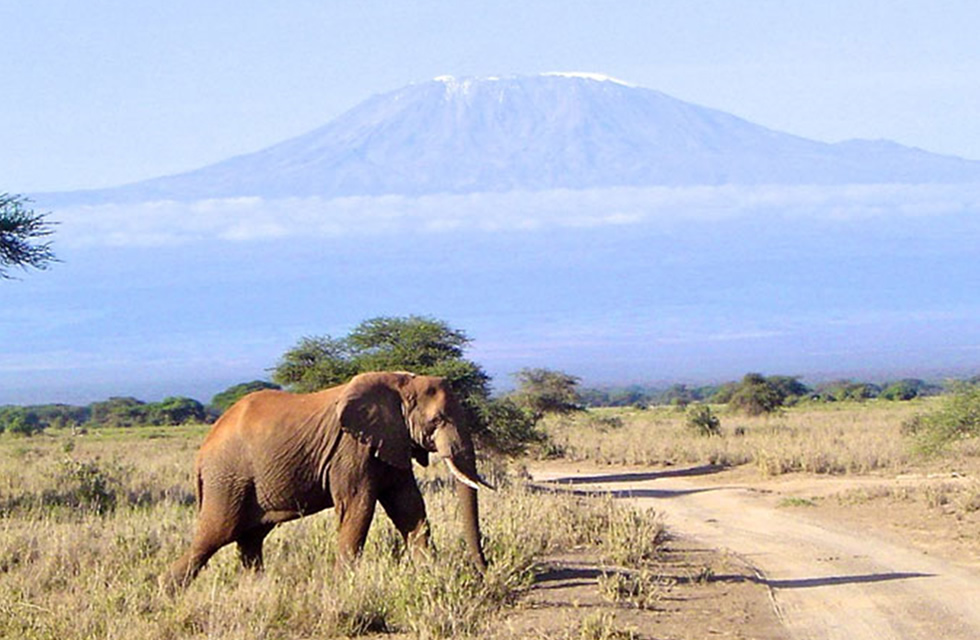
Kilimanjaro Mountain

Overpriced or luxury? How to decide 

Luxury Kilimanjaro operators lure you in with promises of extraordinary climb success rates, greater safety standards and extras, but will charge prices that are not justifiable. No matter what luxury Kilimanjaro operator is promising, US$4000-5000– or even sometimes up to US$6000 for a standard itinerary- is just too much. Kilimanjaro is a tough climb and there’s no huge extra level of comfort that can be built in – unless they’re promising a piggyback up the mountain!

The extras might sound good, but they’re not practical. You’ll crave a hot shower after your trek but that doesn’t mean that the portable shower at -20°C offered by your operator will be much fun; or having bottled Kilimanjaro water (the most common bottled water in Tanzania) on your entire trek instead drinking from the clean, purified mountain water from small streams.

If you book through a tour operator outside Tanzania, the focus won’t be on your Kilimanjaro climb. They’ll offer it as part of an extensive list of tour offers, with three consequences:

  • Kilimanjaro is not their core business and they have to rely on others to ensure your trip is safe.
  • Your booking will be routed through many organisations before it reaches the guides at the base of Kilimanjaro. There is a lot of opportunity for things to go wrong.
  • If something happens on your climb, your contact people are far away and might not won’t even speak the language so might not be of much help on the ground.
Low cost or low standards? How to decide

We’re all looking for the best deal. We’re all on a budget. So how cheap can your trek be without being a scam?

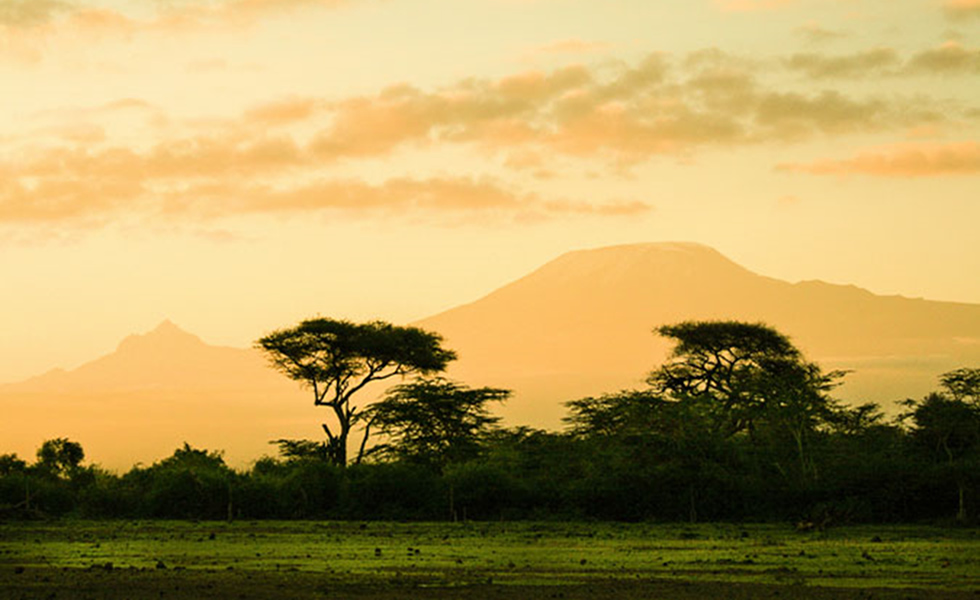
Kilimanjaro Mountains

At this side of the price range, every dollar saved comes at a price. On Kilimanjaro, safety should be your priority. How much is the dollar saved worth, when you’re on a high altitude trek and something goes wrong? Here are some issues worth thinking about:

  • Guides: There are countless guides who claim to be able to take you safely to the top of Kilimanjaro. The good mountain guides don’t work for questionable companies. They don’t wait for a call for a Kilimanjaro trek next month. They are on the mountain all year round and they climb with the company that is best for them and gives them most benefits. Top guides have experience on the mountain, speak good English and have first aid training.
  • Organizational experience: People who tell their story of climbing Kilimanjaro generally mention phrases like “greatest trek”, “hardest thing I have ever done”, “bucket list” , “once in a lifetime” in their storytelling. It’s an intense experience. And because it’s intense, you need to make sure that everything is organised properly. All it takes is an incomplete packing list, or incomplete gate registration or camp fee for your trip to be cancelled. So it makes sense to book a tour with a company that has experience and who knows what they’re doing.
  • Equipment: The saying goes, “There’s no bad weather, just bad clothing”. The wrong gear or broken gear can ruin your trip. However, the lower the budget, the higher the chance that the company can’t afford to fix the holes in your tent. Also make sure that your company checks all your Kilimanjaro mountain gear and don’t take chances with “normally, you don’t need”. There is no “normally” in an extreme situation!
  • KIATO registration: If a company is registered with the Kilimanjaro Association of Tour Operators, it’s an important indication that the company looks after their guides and porters. KIATO ensures that all members pay fair wages and that all staff are properly clothed for the extreme temperatures. They’ll provide transport, medical assistance, shelter and the park fees for them. Additionally a registered company provides meals for the entire crew and makes sure that porters aren’t overloaded.

Kilimanjaro is an investment, however much you pay. But if you book with a trusted, reliable and KIATO-registered company that looks after their staff as well as they look after you, you’re sure to have a memorable and safe adventure.

5 Simple Ways To Take The Stress Out Of Summer Vacation Planning

0

With summer just around the corner, now is the perfect time to start thinking about booking your summer vacation.

While many of us look forward to getting away for a week or two, what we don’t enjoy is the stress that comes with it. Planning a holiday, especially a holiday for a larger group of people, can be incredibly stressful.

Planning any trip can be stressful. There are worries about where to go, who to invite and how much to spend, but the key is, to remember that holidays are meant to be relaxing and fun.

Here’s our guide to five simple ways you can take the stress out of summer vacation planning.

1. Get an idea of what you want

One of the main factors that cause stress when planning a holiday is not knowing what type of trip you want. With so many different vacation packages to choose from, it’s no wonder we end up feeling stressed out.

Get a clear idea in your head of what you want. Think about where you want to go, who you want to go with and how long you want to go for – knowing in advance will take a lot of the stress out of the planning.

2. Be organised

Once you know what you want from your trip, get organised by doing lots of research. Find out what is on offer in the area, where the best deals are and how much the trip will cost you.

Go online and use TripAdvisor to read up on different destinations – this should give you an idea of the most suitable places for you to visit. If you are unsure about what a certain holiday package offers, take the time to find out.

3. Make travel simple

One of the most stressful parts of heading off on holiday is the travel arrangements. Spending hours waiting around in an airport is not an ideal start to a holiday for anyone, especially with all the stress this may cause.

If you want to make your travel to your holiday destination as simple as possible, consider using jet charters instead of public planes. This cuts out the stress of waiting around in the airport for your plane and gets you to your destination much more quickly.

4. Be prepared

Once you have booked your trip, take the time to check that all passports are usable and still in date. Store them in a safe place, and make a note of where they are. It is also important to gather all other travel documents together and store them with your passports.

Don’t leave this until the last minute, if there is a problem with any of the passports of other documents this will cause a lot of unnecessary stress.

5. Let the small stuff go

It’s only natural that you want your holiday to be perfect, but if you spend your time worrying about the small things you are going to end up feeling very stressed.

Instead of worrying about every little thing, let the small things go. If the hotel suite you requested isn’t available or the restaurant you planned to eat at is fully booked, don’t stress about it.

Live in the moment and just have fun. Trust us, you will enjoy yourself a lot more.

Going on Safari in Kenya with Kids

0
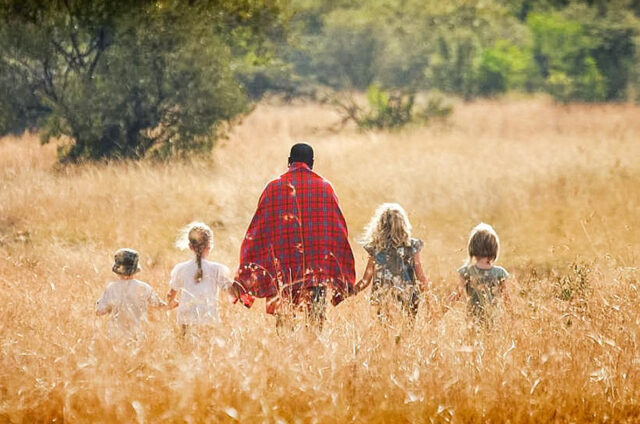
Kenya Family Safari

It’s difficult to take a gourmet lunch menu seriously with hippos blowing bubbles and breaking wind in the background. Of course, our nine-year-old twins, Joe and Ellie, relished every snort, grunt and whoopee-cushion rasp as we sat on the terrace of our luxury lodge overlooking the Mara River.
Even our waiter got the giggles during a particularly impressive bout of flatulence. “Big fart,” he acknowledged sagely, sending the children into paroxysms of mirth.

It was just what they needed after the initial culture shock of arriving in the Masai Mara. No sooner had we clambered from the air-conditioned cocoon of our twin-propeller Dash aircraft and driven the short distance to Ngerende Island Lodge, than nine spear-wielding Masai had converged on them – a scarlet-clad welcoming parade of warriors. Bead necklaces were placed over the children’s heads and, with a brief, bewildered glance at their parents, they were initiated into the shuffle-skip-leap dance of a traditional Masai greeting.

Discovering small wonders

No matter how obsessed children are with ticking off the cast of The Lion King, the success of a family safari is largely down to good guides. At Ngerende, a suave young Masai called Daniel, with immaculate robes, a sheathed dagger and a smartphone, led us on walks around the lodge, pointing out small wonders to Joe and Ellie.

We crouched next to a termite mound, watching transfixed as safari ants pillaged the nest; we learnt how to lure palm-sized baboon spiders from their burrows by scratching a stick on the ground to imitate the sound of passing prey; and we discovered that leaves from the elephant ear tree could be used as toilet paper if you were ever caught short in the bush.

Like all good family safari guides, Daniel paid special attention to animal droppings, presenting each offering to us with a magician’s flourish. Old hyena faeces exploded between his fingers like overcooked meringues. He handed out gazelle droppings as if they were chocolate-coated raisins, while a sun-hardened ball of elephant dung became the perfect excuse for an impromptu game of bush football.

Joe and Ellie were captivated. In just a couple of days, the gentle Masai warrior elevated their safari way beyond a simple animal quest.

Not that we weren’t keen to see the Masai Mara’s famous big game. Far from it.

On the migration trail

School summer holidays coincide with the period when the Great Migration arrives in Kenya’s iconic game reserve and the tawny savannah becomes scuffed by the hooves of legions of zebra and wildebeest. On our first game drive, we quickly spotted a pride of lions, bellies bulging, flattening the grass around a partly gnawed wildebeest. Every hyena we saw seemed to be lolloping along with some zebra part in its jaws, while vultures squatted heavily in acacia trees, evidently too gorged to bother flying.

We staked out a river crossing on the Mara River — scene of many a TV wildlife documentary — where gullible gnus run the gauntlet of giant Nile crocodiles to reach fresh pasture on the opposite bank. It was a grisly scene. Dozens of bloated wildebeest carcasses, their legs protruding like cocktail sticks from fat party sausages, were strewn across the shallows, casualties of earlier crossings.
Marabou storks paced hunchbacked among them, while hundreds of vultures crowded the riverbanks like leering fans at a gladiatorial show. No subtle editing, no soothing Attenborough voice-over – this was raw African wildlife. guts and all.

Such vivid scenes of death might have distressed younger children, but Joe and Ellie didn’t seem too fazed, even egging on a skittish herd of zebra that, not surprisingly, seemed reluctant to approach the water’s edge for a drink.

There were also plenty of cute-and-cuddlies to be found in the grasslands of the Mara, from fuzzy-furred cheetah cubs nuzzling their mothers to piglet warthogs trotting single file, tails held erect like flags of truce.

Elephants on parade

It was Tsavo’s elephants, however, that stole the show. Leaving the Masai Mara, we flew back to Nairobi to join an overland safari to the coast, via the vast wilderness of Tsavo National Park. The raised deck outside our family tent in Tsavo East’s Satao Camp looked straight on to a waterhole, where a constant procession of pachyderms held us spellbound. The elephants came and went from all directions, following well-trodden game trails that radiated from the precious water source like spokes on a wheel. Sometimes it would be a stately matriarch leading her family at a brisk pace, calves jogging along to keep up with the adults. Or a huge lone bull, streaked with red-ochre dust, would take centre-stage, dipping and recoiling his trunk as he slaked his thirst.

Even after we zipped up the tent each evening, elephants vied for our attention, their rumbling stomachs, whooshing trunks and softly thudding footsteps infiltrating our snug canvas home.
Twice during our stay, however, this gentle pachyderm hubbub was shattered. The first was when Ellie took exception to a mouse sharing our tent. Her brief outburst was nothing, though, compared to the following night when the waterhole suddenly erupted into a tirade of squealing and trumpeting, mingled with the unmistakable roar of lions.

“Did you hear that?” The twin’s voices wavered in the strained silence that followed. Slowly, the nightly chorus of chirping crickets and shuffling elephants was restored and we drifted back to sleep. We learnt the following morning that the big cats had sprung an ambush on a herd of waterbuck less than 50m behind our tent, spooking every elephant (and nine-year-old child) within earshot of their triumphant bawling.

Brush with bigger game

Needless to say, we restrained Joe and Ellie from practising their newfound tracking skills around camp, and instead embarked on a final game drive before continuing on to the coast.
Based at the family-friendly Leopard Beach Resort, teetering over the icing sugar sands of Diani Beach, the twins switched their freshly honed skills as nature detectives to ghost crab catching and watching weaverbirds plait their nests in the resort’s tropical gardens.

Colobus monkeys occasionally visited the palms around the large swimming pool, while a pre-breakfast check of the water garden usually turned up a monitor lizard or two. There were even encounters with ‘bigger game’. A boat trip to nearby Wasini Island promised excellent snorkelling on the offshore coral reef, but none of us was prepared for a swim-past by a dozen bottlenose dolphins.
Joe saw them first and I thought his eyes might pop out of his mask in sheer wonder. Then bubbles of excitement began reverberating from the mouthpieces of our snorkels until we sounded like a pod of happy hippos languishing in the Mara River.

Travelling By Bicycle in the UK

0

For those that are in the UK and call some of the major cities their home, then they know just how popular it is to use bicycles in order to get around everywhere. So much so that most major cities have bicycle paths that are devoted to these riders and makes riding much more safer for everyone. And probably one of the most impressive bicycle paths out there are those that are found in Oxford. For those that are visiting the major cities and want to blend in with the locals, then they are going to find that there are many stores that are going to offer them the ability to rent a bicycle for a day at a time for as low as ten euros a day, which is fairly cheap when compared to taking cabs or buses throughout the city and it puts you closer to the area that you are looking at.

A few things that those who are traveling with bicycles in the area need to know, especially if they are visiting the area is that they are going to need a map as the streets can get quite confusing for many people that have never been here before. They can find these maps at the stores that rented the bicycles to them or many other stores along the way, such as book stores. Another tidbit to keep in mind is that you may want to consider wearing long pants while riding due to the plants that grow in these bike paths that have been known to itch and burn like crazy should the person come in contact with them. However, most large cities try to make sure that they are keeping these bike paths clear for riders.

Overall, the person that decides to bicycle in these cities are going to find that they are going to get much more of the local flavor doing this rather than sitting behind a window and seeing things from a distance. Plus, they may find that with traffic they can get their faster on a bicycle. It is definitely something that tourists want to put on their to do list.

Skiing in Scotland

Skiing in Scotland

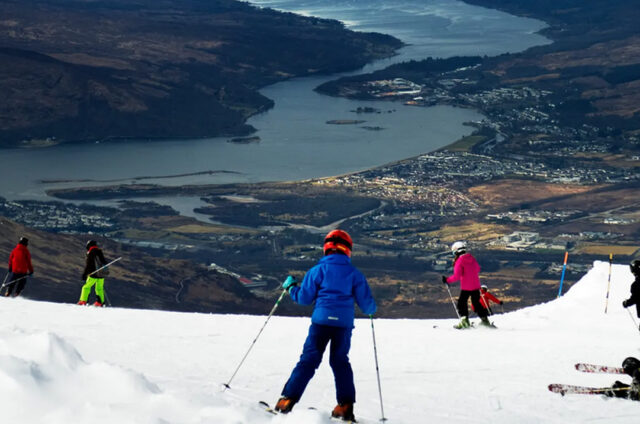
Skiing holidays are seen as the ultimate in luxury winter holidays but it is not necessary to fly off to the Alps when there are also skiing facilities in Scotland that offer everything that you need. The slopes are a bit smaller and the facilities not as luxurious but you can certainly spend a good amount of time indulging in winter sports if you visit at the right time.

Be prepared to check out the skiing conditions for each of the resorts and go at a moment’s notice. Just because there is snow there it does not mean that the conditions are right for skiing and it is very changeable.

Those who want to try out the skiing facilities in Scotland can choose from one of several areas. The Cairngorms, Nevis Range, Glencoe and Glenshee tend to fill up with ski enthusiasts each weekend and during school holidays when the conditions are right. The resort of Aviemore is a favourite and is very close to the Cairngorm area. In recent years it has developed a great deal to include both indoor and outdoor sporting activities. If you are taking a holiday in the area and cannot get on the slopes then you could try clay pigeon shooting, dog-sledding, gorge walking or a spa treatment. With a dry ski slope the resort has become a great place for a break no matter what time of the year that you go.

Aviemore is also developing a good reputation for après-ski. There are plenty of pubs and nightclubs where you can enjoy entertainments such as live music, poker nights and Scottish-themed evenings. Staying in Aviemore also puts you in a great place for visiting some of the other ski areas. Nevis Range is the newest addition to Scotland’s skiing options and it is just a few minutes away. Glencoe can be reached within 20 minutes.

The Cairngorms National Park is described as an Arctic mountain landscape. The fact that it is open to the elements means that when the weather changes so do the skiing conditions. The lifts become dangerous to use in bad weather so the slopes are closed. However, this area tends to get the most snow and therefore has the longest potential skiing season of them all. It is possible to be skiing here right up until April each year and the site also has a snowboard terrain park.

Nevis Range is situated in an area which tends towards milder conditions which means that the thaw happens more quickly. In addition to the ski slopes, enthusiasts can also try out the snowboard terrain park at Nevis Range which is becoming increasingly popular with younger visitors.

Glencoe has some of the longest runs available, provided there is enough snow but it is also prone to changeable weather. This area is not one to visit for those who are interested in après-ski as there is not much in the way of amenities apart from the actual winter sports so when the weather is not right you will need to look a little further afield.

Glenshee consists of mainly short runs but these are for intermediate skiers rather than beginners. The good news is that there are plenty of slopes so when the conditions are right this resort can accommodate a large number of skiers. This resort tends to be open when poor conditions have closed the others. It is close to the town of Blairgowrie where most of the skiers choose to stay while others opt for Braemar to the north.

The good news is that no matter what your level of expertise at skiing is, there is a resort that is suitable for you. All have ski schools and instructors on hand as well as facilities for hiring equipment. If you travel up for weekend or school holiday skiing then you may find that the hire facilities are under siege! The resorts in Scotland are ideal for those who want to get in some skiing practice before hitting larger slopes in the Alps or the Pyrenees or those who only have a few days to spare for a break.

The cost of a lift pass and equipment hire is not very much cheaper than you could expect to pay in the Alps, but it is all the extras that will save money. Food and drink is much more reasonably priced and budget accommodation is available in the surrounding areas so a winter break here will not put too much of a strain on the bank balance.

Getting Around London For Visitors

0

One of the biggest attractions for visitors to the UK is the capital city itself, with London being one of the most visited cities in Europe, and having a wealth of attractions, hotels and excellent shopping and sports to bring people in from around the world. However, navigating around the city can be a little difficult and intimidating for those who haven’t been there before, so knowing what to expect and the different modes of transport can be a good idea.

Probably the most distinctive thing to be seen on London’s streets is the black cabs, which have been ferrying visitors around the city for decades, and also allow access to the much talked about London cabbie. This is certainly one of the simplest ways of getting from one place to another in the city, as there will be a taxi rank on most major streets. However, for longer journeys they can be quite expensive, and especially in the rush hour the taxis will tend to be quite slow because of traffic.

Another quintessentially English way of getting around London is on the bright red buses which traverse many of the capital’s streets, and keep a constant flow of people moving around the city 24 hours a day. There are hundreds of bus routes around the city, but looking at the different bus routes is wise to ensure the people use the right bus, otherwise it is easy to end up in the wrong part of the city.

Probably the most famous method of transport in London is the underground, or the tube as it is generally known, and with a network covering the whole of London from the early hours to a finish usually between eleven and twelve at night during the week, it really is a useful way to travel, and the tube map is a very good way of finding out how to get from one part of the city to another. However, they can become extremely crowded in the rush hour, and are also known for being warm and stuffy.

For the first few days of a visit, the transport system in London may overawe some visitors, but it is one that becomes a habit very quickly, and knowing how to get around will easily become second nature.

Taste Testing the Polk Street Pub Crawl

0

Designed for Hostelling International’s three San Francisco locations, the Polk Street Pub Crawl takes guests to six pubs during one adventurous evening. As avid fans of local brews and the merriment that accompanies them, Chris and I were excited to test drive this tour in January during our production trip for our first trial issue. Our guide, Mel, met the eight of us in our hostel’s lounge and after a brief introduction, she led us to the bus stop where we boarded a bus for two dollars each and headed to the City Center Hostel to meet up with more tour goers.

Despite its name, the tour didn’t actually go down Polk Street; it zigzagged all over the neighborhood. The pubs seemed to be chosen at random, as if the guides had picked them out on a whim instead of strategically choosing them to accommodate hordes of thirsty travelers. Our first stop was Ivy’s Place, a former speakeasy turned café and bar attached to the City Center Hostel. The ambiance was warm, friendly and perfect for getting to know our fellow tour group members, who multiplied to nearly 30 people once we reached the hostel.

The next stop was a bar called the Olive. It was packed with locals when we arrived so we squeezed in and tried to be quick about ordering drinks. There wasn’t enough room to sit, so we stood and talked among ourselves for our allotted 45 minutes. The place looked like it was frozen in the 90’s complete with flaking paint on the walls, a silver disco ball hanging above our heads and S&M artwork. Not my cup of tea, but many members of our group enjoyed themselves and the locals didn’t seem to be disturbed by our abrupt and noisy appearance.

The next pub was a completely different story. The Gangway prides itself on being the first LGBT bar in San Fran and it certainly has a personality that rivals most. Imagine a pirate ship full of mismatched decorations, rainbow flags and gentlemen who enjoy watching romantic flicks on the corner TV and bobbing their heads to old school U2, that’s Gangway. We piled our loud foreign bodies into this bar that had been enjoying a nice quiet evening and Chris and I suddenly felt like we had walked in uninvited. While the bartender may have been excited about all the drink orders and extra tips (though he didn’t show it) everyone else in the room looked at us like we had waltzed into their living room unannounced and started drinking all their booze. It was the longest 45 minutes of the night standing next to a fish tank and feeling apologetic. Not the kind of time we were looking for. Several other travelers felt the same way and waited outside after they finished their drinks. At this point, I was starting to wonder how each pub was chosen for the tour. When I was finally able to get the attention of one of our guides, I learned that the six pubs were chosen several years ago based on size (they had to be small enough to keep track of everyone easily) and the fact that they agreed to host an unruly group of tourists every week. I felt embarrassed after spending time at Gangway, not because I had stepped in a puddle of spilt beer, but because I felt I had walked into a place I hadn’t been invited and made a mess of things. I am sure the setting calmed down as soon as we left, but I wouldn’t keep Gangway on my list of places to return to unless a friend invited me to join them.

Edinburgh Castle was the next stop and was much more in keeping with the typical pub crawl vibe. With a varying crowd, a live DJ, a pool hall, and plenty of room to dance, the Scottish pub had a little something for everyone. Visitors could throw darts, drink whiskey to their heart’s content, and chat about the day’s events at one of the many booths or in the upstairs seating area. Unfortunately, this is where we disembarked from the pub crawl, unable to venture further to Lush Lounge or Vertigo, the last two pubs on the list. A cold I had caught earlier was starting to take its toll and the full day had wiped out my energy. We said goodbye to our new acquaintances and headed for the bus stop and our temporary home at Fisherman’s Wharf Hostel. Since we weren’t able to visit the last two pubs, we can’t post a fair review on the Polk Street Pub Crawl.

From what we experienced, Ivy’s Place, Olive and Edinburgh’s Castle were ideal for groups and were happy to see new faces. Because we had such an uncomfortable experience at the Gangway, we would recommend visiting it with a small group of friends if you’re interested in learning about San Fran’s LGBT history and culture. Regarding the tour itself, its kick-in-the-front-door mentality left us feeling as though we were taking advantage of local businesses more than trying to cultivate positive interactions with the community.

0FansLike
3,912FollowersFollow
0SubscribersSubscribe
- Advertisement -
Google search engine

Don't Miss