Home Blog Page 7

Rwanda, the Land of a Thousand Hills

0
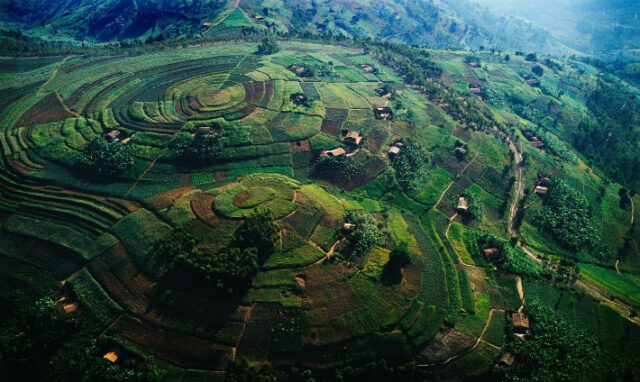
Rwanda Terraced Hills

Rwanda is known as the “Land of a Thousand Hills” – an endless expanse of lush vegetation and mountainous terrain, a diverse natural beauty that lies within the great lakes region of central Africa. Mountains dominate the central and west of the country and the east of the country consists of savannah and swamps.

Rwanda is bordered by Uganda to the north, Tanzania to the east, Burundi to the south and the Democratic Republic of Congo to the west. Despite being land locked and one of the smallest countries in Africa, it has incredible biodiversity. The nature lover will be impressed by the variety and the rarity of what can be observed when visiting Rwanda – her richness of flora and fauna goes beyond the lure of the protected mountain gorillas and the Albertine endemic birds.

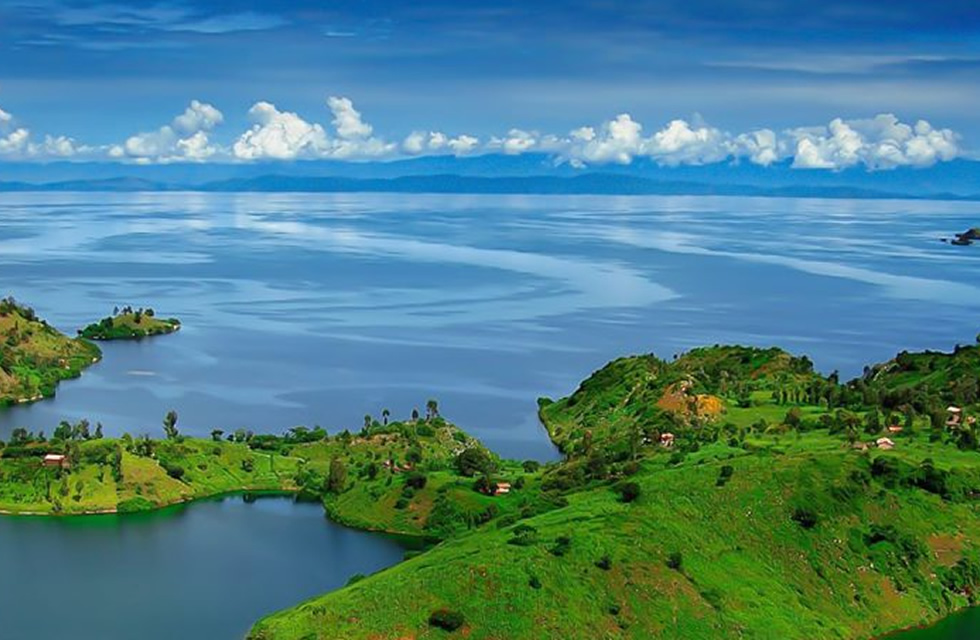
Lake Kivu

Lake Kivu

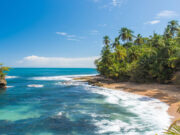
The shores of Lake Kivu boast the best inland beaches and offer tourists the opportunity to explore the many small islands around here. In the southwest lies Nyungwe National Park which is home to the region’s largest and oldest patches of Montane forest, in which you can find habituated chimpanzees, the Angolo colobus and the black and white colobus monkeys.

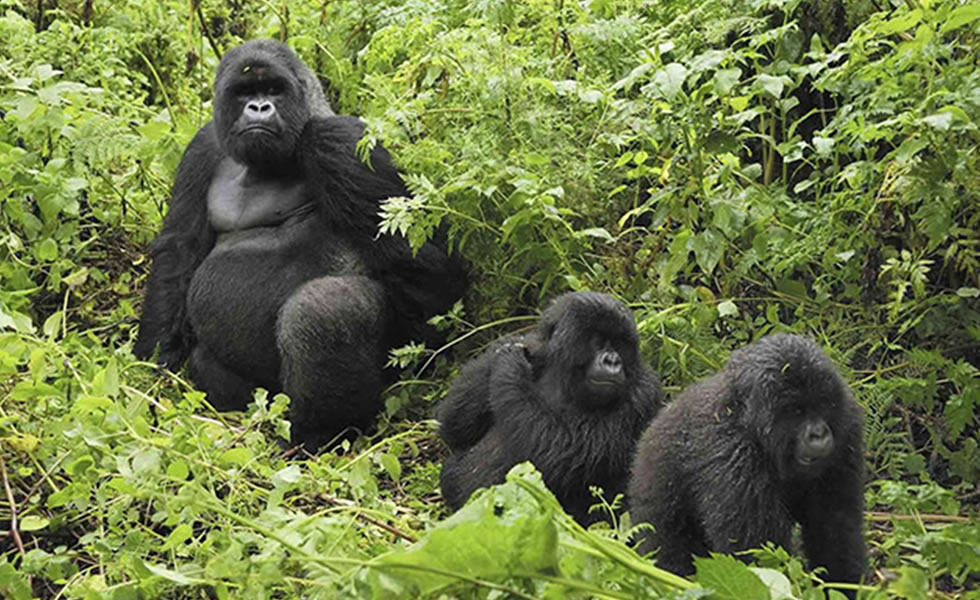
Meet the Gorillas in the Virunga Mountains

Rwanda Mountain Gorillas

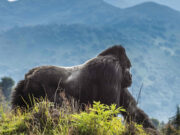
To the north, lies the Volcanoes National Park Rwanda with its two active volcanoes Nyamulagira and Nyiragongo. The twin lakes of Burera and Ruhondo and the nearby Rugezi swamps are good birding locations.

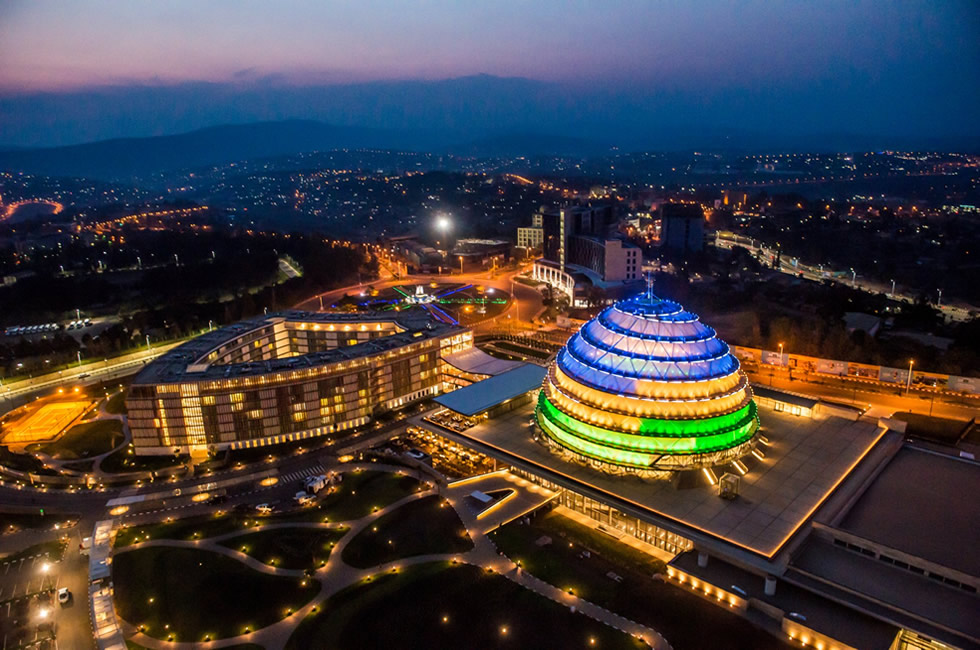
Kigali, the Capital of Rwanda

Kigali, the Capital of RWanda

Kigali is the capital and conference hub of east Africa.

Akagera National Park

Akagera Wildlife

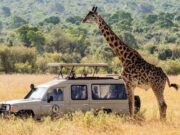
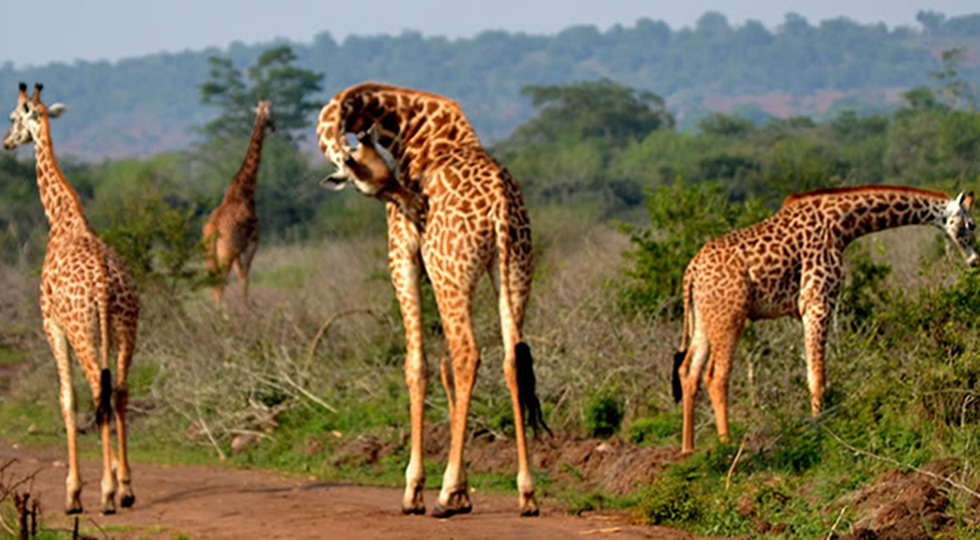
The Akagera National Park must not be overlooked with its big game, including African elephants, zebras, giraffes and a variety of antelope and of course, its recently reintroduced population of lion.

Let us host your visit to this hidden gem. Our staff and family of experienced guides at Range Land Safaris will truly enrich your travel experience across the “Land of a Thousand Hills”.

A journey Through Northern Botswana

0
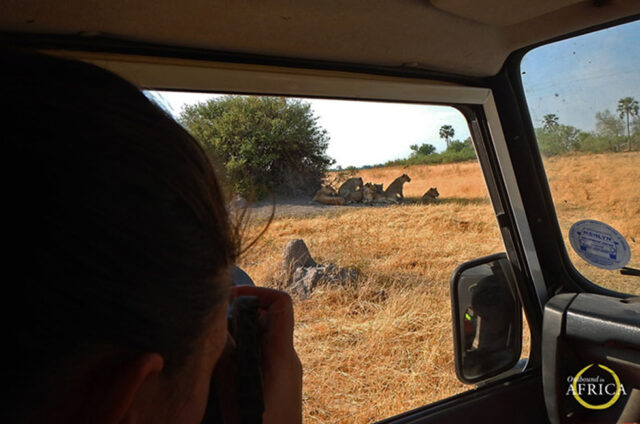
Botswana Safari

Written By: Warwick Henry

The drive from Ghanzi to Maun was quicker than Don and Sarah expected, which suited them fine: northern Botswana awaited!

Once they’d arrived in Maun – known as the gateway to the Okavango Delta – they stocked up on fuel and supplies,  grabbed a quick lunch and moved on again.

They headed out of Maun on the Shorobe road, which meanders through the district’s far-flung hamlets and cattle posts, spread out among looming mopane forests, interspersed with occasional patches of open ground dotted with livestock.

School children waved, shouted and danced as the vehicle passed, leaving Don and Sarah with the impression that they were being welcomed as they drew closer to their destination just outside Khwai.

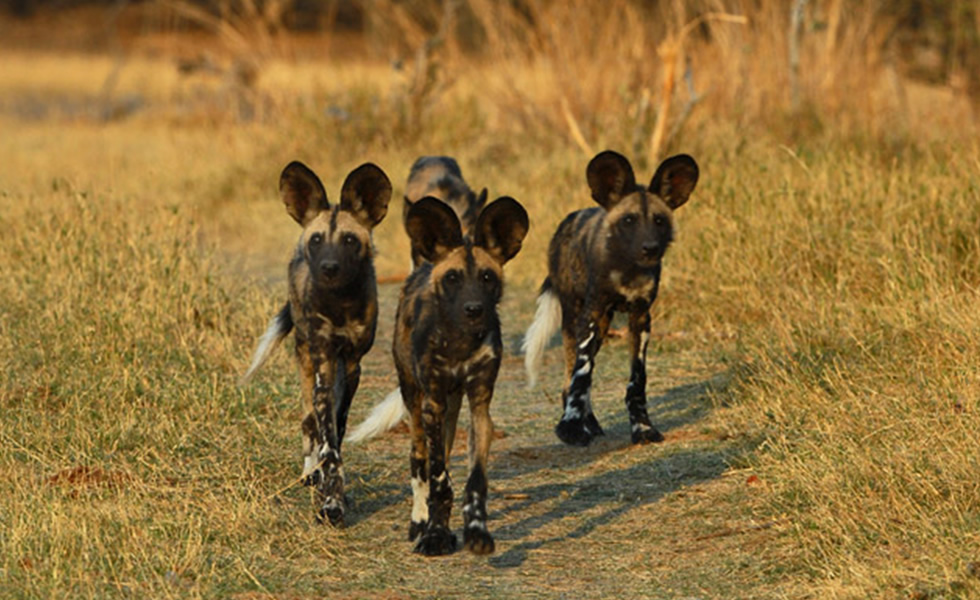
Botswna Hunting Dogs

Beyond Shorobe, they moved more slowly on the bumpy and uneven road, giving them time to survey their surroundings more carefully. Just beyond Mababe Village, they were rewarded with a fleeting sighting of a herd of beautiful roan antelope, among the region’s least common and most timid species.

As they pulled into their campsite for the night, located just inside Moremi Game Reserve‘s north gate on the banks of the Khwai River, they were overwhelmed not only by the magnificent setting but by the sheer abundance of wildlife spread out on the grassy banks of the river in front of them.

Nestled in the shade of a lush stretch of riparian forest, their camp was quiet and cool, and offered spectacular views of the river and the herds of red lechwe, waterbuck, and elephant grazing, drinking and wallowing along the banks.

Goodnight Botswana

As Don set up camp, Sarah sat back and surveyed the scene with an ice-cold glass of her favourite tipple and a pair of binoculars close at hand. On their game drive later that evening they were once again overwhelmed by the beauty and wildlife of the area – they’d have to come back one day!

After a good night’s rest they set off early once more for the drive to Savute, the gem of the Chobe National Park. Their route took them back down the calcrete road towards Mababe, where they’d turn off not far from the village.

They made their way along the northern edge of the Mababe Depression, astounded once more by the throngs of elephant and incredibly large buffalo herds feeding on the sprawling grasslands. Soon they came to the edge of the Savute Marsh – one of Botswana’s natural wonders. They lingered here for some time, taking a late breakfast among milling herds of wildebeest and foraging warthog, hoping to catch a glimpse of the famed marsh pride of lions.

The day began to warm up and the couple decided to make their way to Camp Savute for a cold drink, a well-earned rest in the shade and to plan their afternoon’s excursion to take in Savute’s many attractions. They’d heard there was some rock-art nearby and wanted to spend some time at one of the pans and then round out their drive with another visit to the marsh to try their luck again with the big cats.

They were not disappointed – the rock paintings were incredible – well worth the short walk – and the marsh pride put in an appearance too, on a hunt no less. The warthog may have got away, but the Samsons were left well satisfied and feeling very lucky indeed.

The following day – their last in Botswana, they made their way through the park towards Kasane, a town perched on the banks of the Chobe River. They’d decided to treat themselves to a night at the luxurious Chobe Safari Lodge, where they lounged by the pool and finished the day at Sedudu Bar, the finest sundowner spot in town. Their air-conditioned room lured them to bed early – tomorrow they’d have a very large river to cross and a whole new country to explore…

Stay tuned for our next segment by Outbound in Africa, where we continue to follow Don and Sarah’s journey.


12 African Safari Experiences to Stir Your Wanderlust

0
Wildebeests Africa Safari

What’s your idea of a dream holiday? African holidays are amazing because you can have it all. No matter what you’re looking for when you take a holiday, it’s here in abundance in Africa – from the big-game photographic safaris to the untouched beaches and everything in between.

So before you plan your next trip to your favorite, comfortable, reliable destination, feast your eyes on all that awaits you on an African safari and beach holiday.

1. Witness the great wildebeest migration

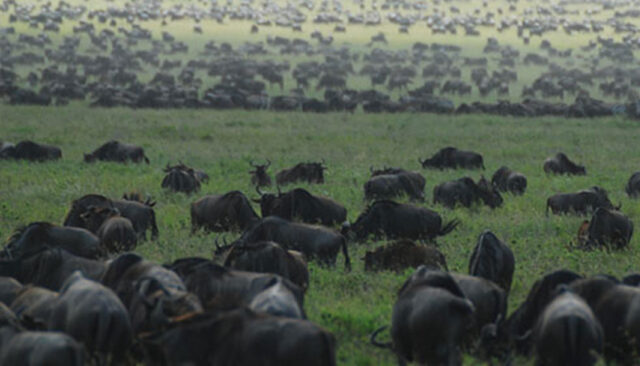
Every year between July and October, about two million animals make the trip from the Serengeti in Tanzania to the Maasai Mara in Kenya — the ‘World Cup of Wildlife’ is an apt description. Considered one of the Seven New Wonders of the World, the great wildebeest migration is an unforgettable, overwhelming experience.

The Wildebeest Migration of the Serengeti from Roger and Pat de la Harpe on Vimeo.

2. Hunting the “Big Five”— with your camera, of course

Bagging the Big Five was considered a rite of passage for hunters, because they represented the largest, most dangerous animals to hunt on foot. But on our safaris, which don’t involve any hunting and killing, you can still experience all the excitement and the awe of seeing them up close and personal while capturing them through the lens of your camera.

The “Big Five” is a hunting term left over from the game-hunting heydeys of the 19th and 20th centuries, but it’s still in use on big game photographic safaris. The Big Five consists of the lion, the elephant, the buffalo, the rhino, and the leopard.

3. Go mountain gorilla trekking at Volcanoes National Park

There are only about 800 mountain gorillas in Volcanoes National Park in Rwanda, organised into roughly ten habituated family units, and seeing them in their native habitat is an experience of a lifetime.

It’s not for the faint of heart, however (you’ll be tracking the gorillas at an altitude of 8,000 to 10,000 feet), but it’s definitely worth the effort to see them up close

4. Enjoy a scenic “sundowner” on the Serengeti in the glow of a flaming sunset

Afternoon cocktails is a civilised custom, but there’s nothing like a chilled white wine or a brisk gin and tonic on the savannah, with the iconic acacia trees silhouetted against a glowing orange sun. It’s something that happens nearly every day on a Gamewatchers safari. You’ll never see your afternoon tipple the same way again.

Sunset in the Serengeti, Tanzania from JF Schmitz Photography on Vimeo.

5. Go snorkelling in the Seychelles

If you really feel like a romantic and luxurious surrounding, how about a private island resort on the edge of a coral reef? There are two UNESCO World Heritage sites in the Seychelles, and they are still relatively untouched by humans. If you’re looking for an unrivalled view of the world from under the water there’s no place better than the crystal clear Indian Ocean.

6. Visit Meru National Park, where Elsa of Born Free fame was raised

You can always cheer yourself up by viewing all the diverse species of wildlife such as the herds of zebras, stately giraffe and lurking crocodiles that also live in the park. If you saw the movie – and really, who didn’t? – you’ll feel that tug on your heart when you visit Meru National Park, seen in the image below from Elsa’s Kopje, and the site of Elsa’s grave and that of her human mother near Adamson Falls on the Tana River.

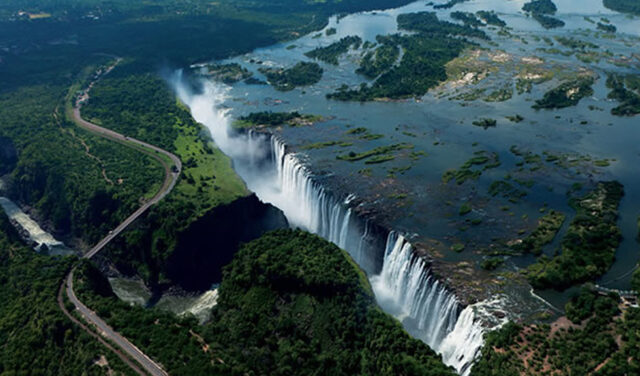
7. Tour “the smoke that thunders” at Victoria Falls

Victoria Falls presents a spectacular sight of awe-inspiring beauty and grandeur on the Zambezi River – the fourth largest river in the world – and defines the border between Zambia and Zimbabwe. Victoria Falls is the only waterfall in the world with a length of more than a kilometre and a height of more than hundred meters. It is also considered to be one of the largest waterfalls in the world.

Victoria Falls Moonbow Time Lapse from Brett Kotelko on Vimeo.

8. Take a romantic getaway in the Swahili town of Lamu

Lamu is a place like no other, a peaceful tropical island where life is lived at its own relaxed rhythm, but a place whose history is as mysterious and fascinating as the winding streets of its medieval stone town.

The island itself is a beautiful place of rolling dunes and endless beaches, where tiny villages nestle among coconut and mango plantations and lateen-sailed dhows ply the waters. But Lamu’s real attraction is its old town – wear your walking shoes when you visit, because cars and taxis are banned for the general public. Donkeys are still used to carry goods along the town’s narrow, winding roads. The town retains its Arab, Persian, and Indian roots; it’s stunningly beautiful and very romantic.

9. Feed the giraffes at the Giraffe Centre in Nairobi

Discover Giraffe Centre in Nairobi, Kenya, and get your fill of these oddly graceful creatures – all while supporting education initiatives for Kenya’s school children. Here guests have the opportunity to view giraffes as well as feed them, wildlife doesn’t get closer than that!
There’s even a butterfly sanctuary and a nature trail where you can see Kenyan wildlife up close!

10. Swim in the sea with the dolphins in Mauritius, or take a submarine safari

Mauritius isn’t the first place that comes to mind for holidays in Africa, but you should definitely give it a look. Bottlenose and spinner dolphins have a happy home off the west coast of Mauritius where the water is warm and the fish are plentiful. You can swim with these free dolphins in their natural habitat, or even take an “underwater safari” on a specially designed sea-scooter for two for a face-to-face view of marine life in the Indian Ocean.

11. Climb Mt. Kilimanjaro, the world’s tallest freestanding mountain

Mt. Kilimanjaro towers over the plains of Tanzania, its peaks perpetually covered in snow—you can see it from a distance of 150 kilometres away. Sure, you’ll have to forego some of your usual daily luxuries to make this incredible climb, but it’s worth it for the satisfaction of saying you did it. And the views are absolutely breathtaking.

12. Foster a baby elephant at the David Sheldrick Elephant Orphanage

What if I told you that you could adopt your very own baby elephant?

The orphanage is a lifetime project dedicated to promoting elephant conservation and anti-poaching efforts. As the name suggests, they also rescue the baby elephants orphaned by the ivory trade. You can visit the babies at certain times during the day, and even take a bit of Nairobi home with you by becoming an elephant foster parent.

Ready to start your adventure?

As you can see, an African holiday is so much more than camping and cookouts and animals on safari – although let’s be honest, those are reason enough to go. If any of these experiences has kindled your wanderlust, why not contact us today to start planning your African safari and beach holiday? Or if you’re still at the early stages of deciding where to go and what to do, just sign up to our free short email course here.

Self Drive in Kenya: How to Make the Most Out of It

0

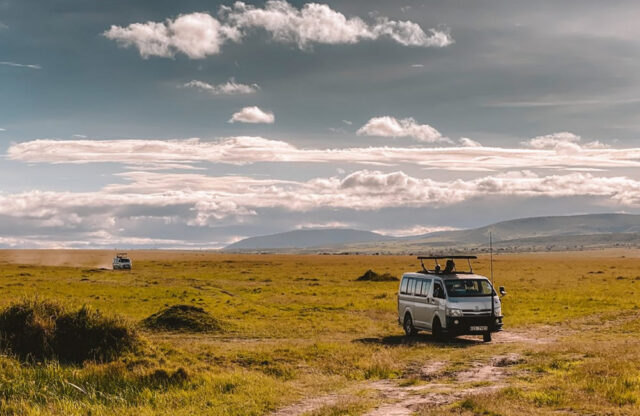
Am sure every tourist is aware of the emerging and developing self-drive safari idea in Kenya. Self-drive safari is where a tourist has a chance to drive him/her- self throughout in Kenya. There’s an amazing experience of being behind the steering wheel when driving in Kenyan national parks and you find a herd of elephants crossing the roads, or a leopard hiding behind the bush.

However, most tourists traveling to Kenya find it difficult to go for a self-drive safari because of the fear to fail to see animals and having less information about different animals’ habits and characters.

Here are some of the tips for you to put in mind to make the most out of your self-drive safari in Africa;

Choose your travel date wisely

Kenya has two travel seasons, and these are the wet season and the dry season. If you have budget issues, traveling during the rainy season is a perfect idea whereby most tour companies reduce prices, accommodation reduces room rates, and even car rental companies reduce the prices of car rental, but this comes at the cost that you will need a very strong 4×4 safari vehicle to pass through same roads in national parks and even during this time the grass is very tall which make animal watching difficult.

If you have enough money, the perfect time to visit Kenya is during the dry season when there is less rain and you will pass in the road when they are dry and be ready to find a lot of tourists in national parks.

Drive slowly in the national park

In all national parks in Kenya, the speed limit is 45km/h, this is because all the roads in national parks are murram roads and it’s very easy for a speeding vehicle to overturn and cause an accident on murram road, and to your benefit, it’s very easy to see animals in the national park when driving slowly because the animals are less likely to run away from your vehicle. Still, in the national park, the animals have 100% to the right of the way, and still when driving during the rainy day keep a keen eye out for snakes and tortoises coming to take some water from the puddles on the road.

Get up early in the morning

Another way you can enjoy your self-drive safari in Kenya to the fullest is getting up very early in the morning when you going for a game drive in the national park, this is because most wild animals most especially the predators like lions and leopards are most active in the morning and evening. So it’s advisable at least to be among the first people at the national park gate when it opens when most of the tourists are still at the lodge sleeping and others still preparing to go for a game drive. This offers you a chance to enjoy wildlife watching quietly when there are fewer people in the park meaning every sighting you will get you will often have to yourself.

Go Camping

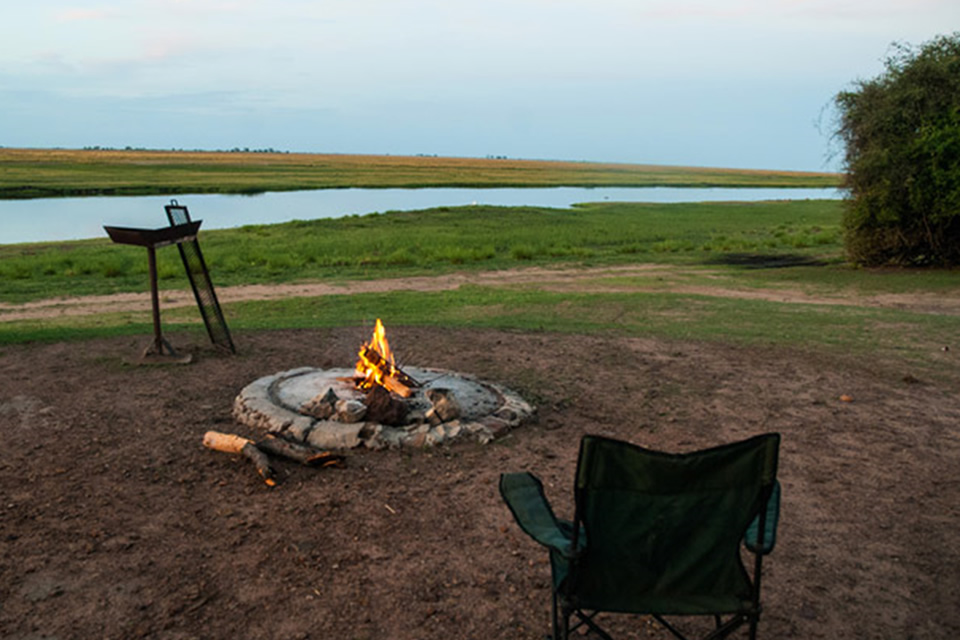
Another way to enjoy your Kenya self-drive safari to the fullest is by going camping. Camping in the African wild is an amazing idea to experience both day and night of the African wild. There are different camping grounds in all of Kenya’s national parks and most of them can provide camping gear to their clients.

Still, if you not sure whether you will have good camping gear, there are several car rental companies in Kenya offering 4×4 car rental with camping gear, some come with rooftop tents.

Get a good camera and a pair of binoculars

The main reason why most tourists fear to go for a self-drive safari in Kenya is that they have a fear that they may fail to see animals in the park, but taking a good pair of binoculars can help you break sighting and be able to see animals which are fear from you clearly. And also you will have to keep some evidence that you were once on an African safari, taking a good camera also can help you keep some good photos and videos you can show back home.

Be patient, don’t rush on a safari

In the national park, animals have 100% to the right of the way for example when you find a herd of animal elephants crossing the road, it’s better to stop the car wait for them to cross and even you don’t have to hoot for them. For your benefit, waiting patiently at the water source in the national park more especially during the dry season of the year when all animals are forced to go to the large water source to drink water, will never be bored since you will see most of the animals coming to drink water, and also predators like, crocodiles, will be waiting there to catch what to eat.

In case you’re a bird lover, still, here you will have the best time of your time when you seat patiently by the water source.

Listen to the sounds of the African wild

Since most cars are soundproof when they are closed, it’s a good idea when you on a game drive in a national park to have your vehicle windows opened, your radio turned off, and also awaken your senses to the sound of the Kenya wild. In case you hear animals alarm calling, or birds calling, there is a high chance there’s a predator around.

Watch animal behaviors

At least do a little research on different animal behaviors before you set off for a self-drive safari in Kenya, for example, when you on a game drive in a national park, and realize that a herd of wildebeest, impala, or giraffe is looking at the same direction this means there is a predator in the area. Just stop the vehicle and use your binoculars to look in the same direction and see whether you can also spot the danger.

Switch the engine and light off in the sight of animals

Since most safari cars we use in Kenya have diesel engines that make a lot of noise, it’s better to switch the engine off in presence of animals because the car engine sound may scare the animals away. You may be in the middle of a hot day when using air-con is inevitable due to hot weather outside, but sacrificing your air-con for a short time you won’t regret it, and another thing you have to keep in mind that you’re in Africa after all.

Respect the animals

Don’t ever go off the road towards the animal because you can’t see it clearly, you will disturb the animal’s peace and also damage the vegetation around. It’s advisable to at least use your binoculars.
In case you find the animals lying in the middle of the road, it’s advisable to wait for them and also to keep a distance of around 100Metres away from Fierce Animals like Elephants.

In case you want to get animal attention to look into your camera for a photo you need to just be patient. Don’t whistle or beep your horn at it. You have to know that these are wild animals and they are likely to be scared when you whistle at them.

Conclusion

In case you have been having a second thought of visiting Kenya for a self-drive, then just read this post, you will have enough idea to plan and make your Kenya self-drive safari memorable and interesting.

Call of the Wild in Kenya:

0
Kenya Safari Lions

There’s more to a Kenyan holiday than checking animals off a list, as Sue Bryant finds on a bush and beach safari

A herd of zebra is occupying the airstrip.

Not ideal when you want to land a plane. The aircraft is approaching, a tiny, white speck glinting in the brilliant blue sky over the terracotta-and-green landscape of Tsavo West, so we bump up and down the runway in our safari 4WD like lunatics, shooing away the herd.

They won’t budge. The pilot spots the action below and goes around for another attempt. He does finally manage to land, the zebra eyeing him moodily from the sidelines, but as we take off, lifting high above the vast expanse of bush, the last thing I see is the van, madly zooming up and down again, our guide still fending off the beasts.

On any safari, you learn to expect the unexpected. A large, blue lizard occupying the bikini I’d left lying around my tent? No problem. One member of our group found a small scorpion in his bathroom and another had a rock hyrax snuffling around the bed. We soon learn that this is nothing; Alex Walker, founder of the Serian Camp in the Masai Mara, was due to return to Africa from leave and the worker cleaning his house in preparation found a leopard using Alex’s wardrobe as a nest for her cubs.

open to the elements

I’ve opted for what you might call ‘rustic chic’ on my journey around Kenya. No sanitised hotels or overcrowded game parks for me; instead, four lodges that are as remote as it’s possible to be, outside the parks in conservancies – private land leased from the local tribes for tourism. I’m also approaching this journey with an open mind. I don’t want my trip to Kenya to be about checking animal sightings off a list. I want it to be about scenery, people, experiences.

Sabuk Lodge sits on a ridge in Laikipia, high above the Ewaso Nyiro river, which thunders through a gorge, hundreds of feet below. The lodge, a row of stone houses with outdoor baths and huge beds swathed in snowy mosquito nets, has no fences and animals come and go as they please.

Sleeping in a three-sided stone house with only a mosquito net between me and any nocturnal visitors takes some getting used to. On my first night, I sit out on my rocky terrace, listening to the roar of the river below, and the chirps and screeches from the bush, the sky absolutely dazzling with stars, the Milky Way cutting a glittering swathe across the heavens.

Sabuk, like all the lodges I visit, is on private land, so there are no rules about being confined to a game vehicle. The next day, we trek through the bush on camels, led by jolly Samburu guides, spotting tiny dikdiks (the smallest, daintiest antelope) scampering off into the scrub in the early morning mist. We dismount for a rest and in a small, scrubby clearing, a table has been set up, laden with toast, jam and juice, the smell of sizzling bacon wafting through the cool morning air. Our first bush breakfast.

the bare necessities

After a long swim in the river, we visit a local school, where children in immaculate uniforms study with the absolute barest minimum of resources. Joseph, a volunteer, explains that nine teachers manage 513 children, and five of those teachers are volunteers. The kids are all ages; traditionally, the first-born son of a family helps with the goats and cattle and attends school at a much later age than his siblings, so it’s not unusual to see a 16-year-old warrior in the first grade. “Sometimes the children can’t get to school,” explains Joseph. “Some of them walk 12km each way and there may be heavy rain, or wild animals. Recently there was a big elephant in the village.” I’m humbled by the lack of resources with which Joseph manages; bare classrooms, old books and none of the luxuries enjoyed by my own children in London. We show some of the village children the art of the ‘selfie’ on our phones, and they shriek with laughter.

Leaving this beautiful place is difficult but the plains of the Masai Mara beckon. Not the main game park, but like Sabuk, a conservancy, whereby our camp, Serian, is outside the park in a huge area leased from the local Masai. Game, of course, knows no boundaries and our luxurious tents, strung out along the bank of the Mara River, are visited throughout the night (as we can tell by the tracks the following morning) by hippos, warthog, impala, zebra and mongoose. Big cats are not unknown, we’re told the next day, particularly that friendly, wardrobe-dwelling leopard.

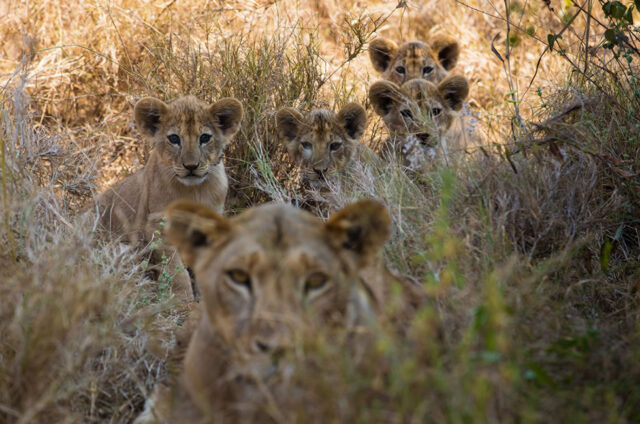
The game viewing in both the park itself and the conservancy is astonishing. We spot herds of zebra and wildebeest, dozens of antelopes, elephants, buffalo… but the highlight is, of course, the cats. Denis, our Masai guide, drives us to a rocky outcrop favoured by a pride of 17 lions and we’re not disappointed; mothers and cubs are moving languidly along the hilltop in the afternoon sun, flopping down on the occasional hillock to survey the horizon. They hardly look like killers.

Suddenly, one female is on her feet, ears pricked, moving stealthily away from the pride. Another joins her and the lions form a wide semicircle around a small herd of zebra grazing obliviously in the distance. In a flash, it’s all action. The herd breaks into a thundering gallop, dust billowing, as a streak of tan flies across the savannah in hot pursuit. She gives up but a young male leaps into action, sprinting alongside the zebra, trying to pick his moment to pounce. He’s in training, as it were, and falls back, but our pulses are racing. “He’s not ready,” explains Denis. “One kick from a zebra will kill him.”

hopeless plight

We have another zebra encounter in Tsavo West Conservancy. A tiny foal is standing in the road and won’t budge. She shies away when Richard, our guide, approaches her but follows him when he turns around to leave. Her umbilical cord is still attached and Richard decides she must be less than a week old, her mother probably killed by a lion. He persuades her to drink and we all gather round, patting her. It’s an amazing moment, although horribly poignant. “If the lions and hyenas don’t get her, dehydration will,” Richard explains. “We’ve given her the best possible chance now. We’ve rehydrated her and covered her in human scent, so at least nothing will touch her tonight.” We move on with heavy hearts and I think how anxious we all were yesterday to witness a kill – yet how moved we are today about the hopeless plight of one tiny animal, among thousands.

Because of the zebra, we’re late arriving at Kipalo, our next lodge. The Toyota bumps up a steep hill in darkness, acacia thorns snapping through the open sides, the headlights illuminating the occasional fleeing antelope. We have no idea where we are, although a small, floodlit pool and an iced gin and tonic are the perfect remedy to a long day’s travelling. But nothing prepares me for the view the following morning when I unzip my tent. I’m perched high up on an escarpment, miles and miles of bush stretching out as far as the eye can see, punctuated only by jagged red mountains. Breathtaking.

We visit the conservancy HQ – a group of tents clustered around a vast baobab tree, manned by a small group of rangers, between them trying to carry out the impossible task of patrolling 12,000 acres of bush in search of poachers. These guys are tough; part of the recruitment process is running several miles at midday wearing a backpack full of rocks. And they need to be; gruesome tools of the poachers’ trade lie around the camp, not least endless ugly coils of wire snares. Yet as Richard explains, it’s not poaching, but agriculture that poses the biggest threat to Kenya’s wildlife. “In Africa, if it doesn’t make money, it won’t survive,” he says. “At the moment, we pay the local tribes more for the land in the conservancy than the wheat farmers do but if the price of wheat goes up, it’ll be a different story.”

fragile ecosystem

Delta Dunes, our final lodge, perched in sand dunes thousands of years old in the vast wilderness of the Tana River Delta north of Malindi, has its own story of a struggle for survival. Here, environmentalists have fought a bitter battle against a Canadian company that wanted to plant thousands of hectares of biofuel plants in the delta, which has an astonishing concentration of wildlife. The biofuel company has backed off, for now, but there’s a constant sense of how fragile both the ecosystem and the economy are here.

My room up in the dunes is open to the elements, made of thatch, stone and wood and wrapped around a huge tree. The hot sun wakes me up early and I bounce down the soft, sandy path to a staggering 70km of empty beach. I share the trail with tracks of civet cat, genet and baboon and encounter the baboon troop digging in the sand for crabs along the beach. They’re my only company and the sense of space is invigorating.

Later that day, we try sand yachting – go-karting with a sail, at great speeds across the sand, and totally addictive. I calm down by paddling a kayak slowly through the backwaters of the delta, watching black and white kingfishers diving, overlooked by egrets perched on spindly legs in the mangroves.

Night falls and we lounge on giant cushions around a beach bonfire, drinking gin and tonics and later, tucking into a magnificent curry buffet. We feed bits of banana to George, a semi-tame bush baby, all soft fur and huge eyes, who inhabits a tree in the bar.

None of us wants to leave Kenya. We haven’t witnessed a kill, or seen a rhino, or a cheetah, but encounters with both humans and animals in this vastly complex country have been both moving and unforgettable.

What to pack for a Kenyan safari

A soft-sided bag or case if you’re taking internal flights on light aircraft
Long trousers in neutral colours
Shorts for hot days
Long-sleeved tops in neutral colours (for sun protection by day and mosquito protection by night)
A fleece for evenings
Comfortable, lightweight clothes for dinner – nobody dresses up
Lightweight walking boots
A hat with ties – you’ll spend time standing in your 4WD and hats can easily blow off
Swimwear – some lodges have pools
A strong sun block – the once-a-day brands like P20 are good
Mosquito repellent
Malaria pills
Cleaning hand wipes
Large capacity memory card
Camera cleaning kit – everything gets dusty
Binoculars –most game vehicles do carry some but you may have to share
US dollars in small denominations ($1, $5 and $10) for camp tips (or you can use Kenyan shillings)
US$50 for your entry visa
Pencils and school equipment – see packforapurpose.com

What not to pack…

Plug adaptors if you’re from the UK – Kenya uses the same as Britain
High heels
Too many items in white – they’ll get covered in red dust
A torch – solar-powered torches are supplied in the lodges

Things to Check in Rental Car Before Driving Off in Kenya

0
Kenya Safari Car

When traveling, arriving at your destination can mean rushing to the rental car counter and wanting to dash to the car to get on the road. But before you take off, it may be a good idea to familiarize yourself with the rental vehicle.

You don’t want to be fumbling for the controls and adjusting your settings while driving in Kenya especially when you’re navigating a new vehicle and unfamiliar roads. Before you rent a car, make sure you have adequate coverage, and run through this checklist before driving off.

Car rentals are commonplace these days, as more and more people are traveling for business and pleasure. However, many people aren’t aware of all the things that can go wrong during the car rental process, and don’t know how to protect themselves. Whether you are new to Kenya car rentals or have been a pro traveler for a while now, here are the things you have to know before driving away.

Here are things you should always do before you drive your vehicle off the lot.

Inspect the exterior

Take a moment, walk around the car and carefully check for damages, if it’s dark or you’re in a multistory, use your phone torch. Take pictures so you can be confident about what the car was like to start with. In case of any damages, make sure the car hire company service provider marks it down on their agent sheet before you leave the lot. Common damages to look out for are dents, scratches or chips. Check inside for cigarette burns on the car seats.

Double check your rental terms

Before you drive off into the sunset, it’s important that you are aware of all the terms of your car rental agreement. These things include mileage limitations, fees for extra drivers, return deadlines, and other details.

Make sure you have your paperwork

Even in the simplest car rental scenarios, there is still important paperwork to keep track of. Ensure that you have your driver’s license and insurance cards back, and that you have a safe place to stash the rental papers, emergency instructions, and the vehicle manual.

Renting a car can be a hassle-free and enjoyable experience, if you are smart about it. These tips will help keep your car rentals smooth and easy.

Thoroughly check the lights, windows, door handles and wipers

These are important things to check before driving with a Kenya car rental. Make sure all the lights function, whether windows open and close, if door handles work and the car locks well and if wipers work.

What fuel the car takes

During the booking process for car, you can inquire the type of fuel the car uses. You can also choose your preference but it is possible to change. To confirm if the car uses petrol or diesel, open the fuel lid. In case you are not sure of the fuel it takes, find out from the agent.

Familiarize with the dashboard

Go over the dashboard and get to know which gauge is for speed, fuel and the one for tachometer. Make sure to see if the temperature gauge displays unordinary temperature and if there are warning lights.

Rental car fuel is most commonly provided on a ‘full to full’ basis, which means you start with a full tank and you return the car with a full tank. Turn the key to check the tank is full (and the headlights work). To find out more, see How to choose the right fuel policy for your rental.

Test the navigation system

If the car has GPS, get familiar with it. Set the language before you set off. In case there are more things you need to know about its usage, ask the agent. If the car doesn’t have a GPS, go to a Wi-Fi zone and download maps which you can use later when you are offline. Alternatively, use travel maps offered by the agent.

Investigate if the tyres are safe and seasonally fitting

Check each and every tyre for the depth of the shallow tread. Make sure it is not less than 1.5mm or worse. And if some wires can be seen, do not take on this car before these tyres are replaced.

Take a moment

Once everyone’s safely strapped in, take a minute to adjust the mirrors, move the seat, find reverse, check where the indicators are, fiddle with the air conditioner and play with the stereo of course. 

Head out on to the Road

If you’re at an airport, don’t let the spaghetti roads get you down. Don’t feel rushed and take your time. There’s no harm in reminding yourself which side of the road you’ll be driving on.

Spot a nearby Petrol Station

When you’re heading away, look out for a petrol station. It’ll save any last-minute stress about filling the car up before you take it back.

Just one Last Thing

You’re all sorted, in control and on your way – have a fabulous trip.

Conclusion

When you first get your rental car, be familiar with all aspects of the vehicle before you drive off. Discover the simple checks you can do when you first get to your rental car, so you can enjoy a stress-free start to your trip. Find out the easy things to look for to avoid hassle later on.

Discovering the Wonders of Smoke that Thunders

0
Victoria Falls

Musical, sporting and cultural celebrations will mark Dr. David Livingstone’s bicentenary from March to October in southern Zambia this year. Zimbabwean-born Caroline Hurry returns to the eccentric Eden that so captivated the Scottish explorer.

Dr. David Livingstone’s spectre hovers like the heat in southern Zambia. It permeates his belongings at the Livingstone Museum, where his musings – scrawled in berry juice on the margins of newspaper scraps – testify to lion attacks, malaria-infested swamps, starvation, broken bones, rotten teeth, depression and the dysentery that killed him in 1873. “Knocked up quite,” reads the last entry in his diary.

It saturates the eponymous town – bearing Livingstone’s name long after the turbulent tides of Mugabe’s spittle-flecked, anti-Brit invective sank Rhodesia and Salisbury. Cue ‘Livingstone heart Livingstone’ t-shirts.

“We learnt at school that ‘Munali’ (Dr. Livingstone in the vernacular) was the only white man to fight slavery,” says Bob Mushabati, a curio merchant at the Mukuni craft market, where informal commerce jives to a marimba rhythm coaxed from plank-covered gourds – the lighter the plank, the deeper the sound.

It suffuses the bronze statue of the striding Scotsman, Bible in hand, gaze fixed on the Mosi-oa-Tunya (Smoke That Thunders) – a grandstand spectacle of 500 million cubic metres of water tumbling into the gorge. Double rainbows rising from the mist nurture a lush pocket of forest – ferns, palms, sausage trees and vine-draped ebonies, home to bushbuck, monkeys, butterflies and birds.

So far, so colonial, my dear Stanley, but centuries before Livingstone’s November 1855 arrival at the Falls by dugout canoe – “scenes so lovely must have been gazed upon by angels in their flight,” he wrote – and decades after his demise near Lake Bangweulu, the locals worshipped NyamiNyami, the Zambezi river god with a giant snake body and a fish head.

Markets both sides of the Falls sell ebony and soapstone carvings in homage to the aquatic deity, widely credited with flooding the construction of the Kariba Dam in 1957 and drowning scores of workers, including several Muzungu (foreign) engineers whose bodies failed to wash up.
Tribal elders told a sceptical European search party that NyamiNyami, incensed by the dam construction’s displacement of some 50,000 Batonga people, had sent the floods and kept the bodies. Only the sacrifice of a white calf might persuade him to release them.

With relatives en route to claim the remains of their next of kin, the desperate search team agreed to the ritual slaughter of a white calf, which was cast into the river. By the next morning, the calf had vanished. In its place floated the bodies of the missing engineers. Crocodiles must have devoured the calf but how did the missing Muzungu bodies reappear three days after their initial disappearance? There’s no rational explanation.

ANCESTRAL SPIRITS

NyamiNyami is believed to live at Boiling Pot, a permanent whirlpool formed by the fissure where the current Victoria Falls starts. The million-year-old Falls are a relatively new formation, geologically speaking. Every year, the Mukuni chief sends five warriors down the 110m Batoka Gorge to scoop water from NyamiNyami’s treacherous lair for the ceremonial placation of ancestral spirits.

Visitors can tour Chief Mukuni’s 900 year-old village, home to the Leya (also Tokaleya) people, once frequented by Livingstone, whose heart is buried in a tin box under a tree.

As a devout NyamiNyami-denier, the doctor was never allowed into the chief’s compound but descendants of Susi and Chuma, the faithful companions who wrapped his kneeling corpse in
wild sage and carried it hundreds of kilometres to the coast for shipment to London, still live here.

We explore NyamiNyami’s lair from the air via chartered helicopter, delighting in the Flight of Angels, dipping into Victoria’s misty breath as the mopane-fringed Zambezi carves the landscape into thrilling, three-dimensional focus.

Boiling Pot is also the launch point for white-knuckle river rafting down grade five rapids, followed by a muscle-aching climb up the Batoka Gorge. You can bungee jump off the Victoria Falls Bridge, kayak down Africa’s fourth largest river, or abseil, Indiana-Jones-like, over the gorge.

Too much? Restore your spirits in one of four stilted villas flanked by the glossy Zambezi and riverine forest on Royal Chundu’s private island of Katombora. Folding glass doors connect cool, spacious interiors with the wild outdoors as grunting hippo provide wraparound sound. A kingfisher on a low branch swoops for a small silver fish. Monkeys chatter as the night fills with stars. This is Africa on a gilded platter.

A TASTE OF RURAL LIFE

From the Royal Chundu Zambezi River Lodge, my husband and I take a mokoro (a dugout canoe) 1.5 km down river the next morning to visit Edith Mushewa, chief of the Mushekwa Village. A mother to many orphans – Aids continues to decimate the adult population in the region – Queen Edith keeps the village going. She shows us her peanut plantation and how crushed bitter berries mixed with water produce an eco-friendly soap.

To visit any local village is to taste rural life; crushing mealies, drawing water, smearing cow dung or harvesting thatching grass. Tenacity springs like fresh flowers in old tins from limited parameters. Goats scratch rumps on tree stumps; laundry dances from makeshift lines. Here, a boy carves curios; there, a woman ties sticks into bundles.

Most visitors to Victoria Falls choose Zambia rather than Zimbabwe as their base but the scheduled arrival of the United Nations World Tourism Organisation to the region this year is expected to boost Mugabeland’s tourism figures, despite the refusal by Zimbabwean bankers to finance a required cash injection of US$100 million to bring facilities up to par.

Victoria Falls in Zimbabwe feels like a frontier outpost with textiles, crafts, sculptures and ceremonial masks aimed at the well-heeled tourist. Clocking us as newcomers, curio sellers cluster round. “You like this hippo, Madam? For you, just $10. Please, Sir? I’m hungry. I haven’t eaten all day.”

Goods may be bartered for clothing, fresh batteries, or even shoes, but with more artifacts than buyers, prices got even lower as we made our way down the main drag and hailed a taxi with a cracked windscreen, torn seat covers and back windows stuck at half-mast. The ‘Trust God’ sticker dominating the dashboard was a handy aide-memoire as the rattletrap spluttered towards Elephant Camp where hand-reared orphaned pachyderms made for more elegant transport.

Scaling wooden stairs and climbing on to Tusker’s back from a platform, we ambled into the bush as impala, kudu and waterbuck eyed us from a distance and eagles rode the thermals overhead.

The elephant’s silent gait held a seductive rhythm even as he uprooted every tree in his path. Back in Zambia, a potent cocktail of vermilion sunset, dry white wine and a chugging riverboat made for a tipsy cinematic evening on the Upper Zambezi, where pods of hippo blew bubbles and crocs displayed fearsome gnashers from sandy banks.

That night, NyamiNyami slithered into my dreams and when we awoke for an early walk around Katombora Island, the name of our guide who showed us fresh hippo tracks and knob thorn acacias, turned out to be… Nyami.

A wink from the fishy snake spirit? I like to think so.

WAY TO GO

Royal Chundu Zambezi River Lodge

Tel. +27 (0) 13 751 1038/www.royalchundu.com

While Livingstone suffered unspeakable hardships, visitors today can enjoy their own adventures gift-wrapped in luxury at the Royal Chundu Zambezi River Lodge.

An international festival of arts, culture and sporting events…

from March to November 2013 will commemorate Livingstone’s bicentenary. It will include cultural and medical exchanges between schools, libraries and hospitals in Livingstone, Scotland and Livingstone, Zambia. The celebrations will mark David Livingstone’s commitment to medicine and education and his campaigning for the eradication of slavery, still an active cause 200 years later. For information, see www.livingstone2013.com.

Both Zambia & Zimbabwe offer a similar range of activities…

Whitewater rafting through Batoka Gorge
Canoeing or kayaking on the upper Zambezi
Horseback trails in the Mosi-o-Tunya National Park
River boarding on the Zambezi rapids
Bungee jumping from the 111m-high Victoria Falls Bridge
Abseiling off the gorge

Game safaris

Tel. +260 213 323 095/www.uaczam.com

Drive or walk through the Mosi-o-Tunya National Park
Microlighting or helicopter flights over the Falls
We used United Air chartered helicopter flights

Sunset cruises

Enjoy a sundowner as you navigate the Zambezi River.

Elephant back safaris

The WildHorizons Trust manages a herd of orphaned elephants in Zimbabwe at Elephant Camp, www.victoriafalls.net. The Zambian elephant-back safari trails begin at Thorntree Lodge in the Mosi-o-Tunya National Park. For details, as well as information on guided rhino walks to see Zambia’s carefully guarded last eight white rhinos, visit www.zambiatourism.com

USS Liberty Wreck Dive, Bali

0
Bali Wreck Dive

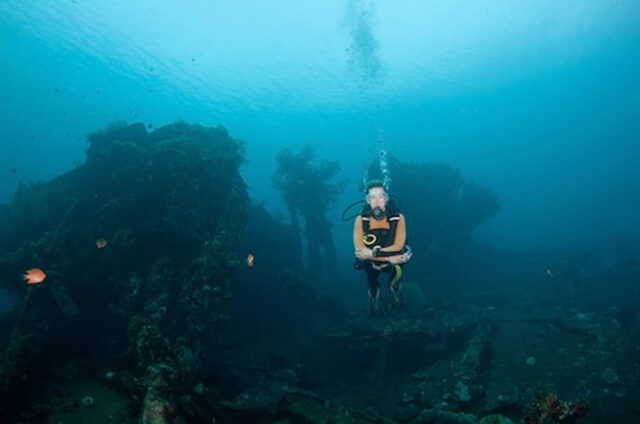
USAT Liberty is a United States Army Transport ship. In 1942, when the ship was part of the United States Navy’s animal transport, under the ID USS Liberty, it was torpedoed by a Japanese submarine on its way from Australia to Philippines. The ship was then towed and beached to the eastern coast of Bali at Tulamben. After 20 years, at the time of the eruption of Mount Agung, tremors caused the ship to slip into water at a depth of till 30 m. The shipwreck now provides for one of the best diving sites in the world.

The ship lies on a black sand slope, has a 16m beam and is 120 m long. Huge corals and sponges can be seen around. The water current is not that rough, but very low in fact, and it is clear providing a visibility of even 30 meters at times, making this one of the safest diving experiences in the world. This is one of the very few diving spots where both, beginners and professional divers, can get a good diving experience.

An artificial reef created around the spot offers the chance to see a wide variety of marine species. Bumphead parrotfish, Big Potato groupers, Frogfish, Seahorses and Big Eyed Jackfish are often seen here. Schools of Batfish, Unicornfish and the Napoleon Wrasse are also regularly spotted. If you are lucky you may also get to the see the King Barracuda. Sharks and Mola-mola are also seen at times. You are allowed to dive at night and you can see a lot of flash light fish which provides an amazing sight.

The USS Liberty diving spot offers a good place for underwater photography apart from scuba diving and open diving. Snorkelling can also be done, as the water is shallow in some places. Make sure that you carry your underwater camera or arrange for one during your dive. You can move through the internal structure of the wreck, but you will not find anything worth taking back as a souvenir. This is because most of the valuable items were taken from the ship by the people around when it was on the shore before 1963.

One can find a lot of dive operators, operating out of Bali. Some of them also offer free diving courses and PADI certified courses. Tulamben also has a few dive operators, but the numbers are very less compared to Bali. The Liberty wreck dive can be very crowded at times and so you can stay at Tulamben or Amed and move to the diving spot very early, at least before 8 a.m to avoid crowds.

The nearest international Airport is the one in Bali, the Ngurah Rai International Airport. There are frequent flights from Australia and South East Asia to the Ngurah Rai Airport. You can also connect to Jakarta and then book a domestic flight from Jakarta. Regular Taxi services are available between the Airport and Amed or Tulamben which is most likely to be your place of stay. The right period for visit is July to October.

The Top 10 Travel Destinations of 2022

0

If there’s one resolution you actually commit to in 2018, let it be travel. It may not be your typical fitness or organization-oriented goal, but it can make you richer in terms of self-growth, new experiences, and even personal happiness. And all of that is far more valuable than any annual goal you usually make.

With endless sources of travel inspiration available, figuring out where to go next is the toughest part. But we’ve eliminated all the hard work for you, so that all that’s left for you to do is choose. From rising hot spots to destinations you never knew existed, these are the top 10 places to travel to in 2018.

Where will you go?

1. Boracay, Philippines

This small island in the central Philippines only spans four and a half miles long, but you’ll find that to be plenty when you see all the natural beauty Boracay has to offer. Navigate the mini paradise via bike and spend your stay sunbathing on White Beach, collecting puka shells on Yapak, or sipping on cocktails while the sun goes down and fire dancers come out.

2. Ljubljana, Slovenia

Reminiscent of Amsterdam’s famous canals while blending Mediterranean, German, and Slovenian culture, Ljubljana is a beautiful combination of old and new. The Ljubljanica River divides the capital’s Old Town from its commercial Center district, marked by the city’s most iconic landmark, the Triple Bridge. You’ll find it difficult to not fall in love, as Ljubljana boasts as much charm and wonderful architecture as it does museums, outdoor cafes, green landscapes, and rich history.

3. Ninh Binh, Vietnam

While most travelers flock to Hanoi, Vietnam’s majestic rural side in the Red River Delta is sometimes overlooked. However, as more people begin to recognize Ninh Binh‘s serene landscapes as a reason to add it to their itineraries, it’s only a matter of time until the northern area becomes the next popular place to be. With its limestone cliffs, temples, lush green valleys, and hiking trails and caves, this province easily takes a top spot.

4. Sucre, Bolivia

Bolivia’s capital is known for its whitewashed buildings and colonial architecture, but there’s also plenty more to do and see. The historic city of Sucre offers a number of museums, cathedrals, and landmarks, including its main square, Plaza 25 de Mayo, and Casa de la Libertad — and it’s also home to one of the largest sets of dinosaur footprints in the world.

5. Seoul, South Korea

Seoul is where pop culture, technology, and tradition blend. You’ll see both fashion-forward streetwear and traditional hanboks, skyscrapers and Buddhist temples, street markets and made-for-Instagram cafes. Its high-tech subways also allow easy access to neighboring cities in case you want to explore past South Korea’s capital. Spend your mornings palace hopping and tea sipping at Insadong, and then see the city come to life from the N Seoul Tower. You’ll never find yourself short of things to do.

6. Essaouira, Morocco

Travelers who prefer the slow pace of a coastal town over a bustling and dense city will be entranced by Essaouira. Known as a port and resort center, Africa’s windy city is as popular for windsurfing and kitesurfing as it is for pure relaxation. Walk along its beaches and through the vibrant medina, browse the boutiques, check out the catch of the day at the fish port, and more. And if you’re looking for a little more hustle, Marrakech is only a bus ride away.

7. Zadar, Croatia

Consider taking a holiday along Croatia’s Dalmatian coast where you’re more likely to find less crowds than at Dubrovnik and Split. The seaside city is rich with culture, history, and romance; equally known for its Roman and Venetian ruins and stunning sunsets. Once you get your fill of landmarks, churches, and cathedrals, head east of Old Town over to Kolovare Beach for bars and restaurants or offshore at Kornati National Park for diving and snorkeling. You can’t leave Zadar without marveling at the musical Sea Organ, either.

8. Upolu, Samoa

This paradisal island in Samoa is home to everything you want: lush rainforest, lagoons, dramatic waterfalls, idyllic beaches, the international airport, and much, much more. Dive into the Instagram-famous To Sua Ocean Trench, surf and fish along the coast year-round, or indulge at restaurants and bars in Samoa’s capital city, Apia, before heading back to Upolu‘s sleepier parts.

9. Tbilisi, Georgia

Georgia’s capital is far from ordinary. Visitors are able to witness the modernization of Tbilisi since its time under Persian and Russian rule, as well as older reminders scattered throughout its diverse architecture. Not too far from the plazas, five-star hotels, bars and clubs, and museums remain small shops and quaint living. At Old Town, you’ll find ancient cobblestoned roads, and winding lanes, while the rest of the city is gradually coming into its own, neither distinctly Western or Eastern. Travelers will find themselves captivated by this eclectic and multi-ethnic and multicultural destination that’s truly unlike any other.

10. Mallorca, Spain

The Mediterranean’s shining gem is loved by many for good reason. The island’s breathtaking coasts, aqua-blue waters, and postcard coves are just a few appeals. Mallorca (Majorca) did inspire Chopin and other musicians, artists, and writers, after all. Maybe it’ll be the picturesque villages, the cuisine, the architecture, the mountainous landscape, the beaches, or the nightlife that seduces you. Whatever it is, prepare to extend your stay.

Are Cruise Holidays an Affordable Option for Young Travellers?

0
Barbados Cruise

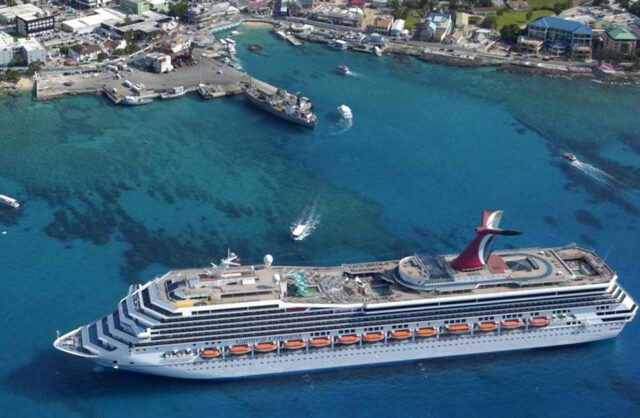
Amazing food, good rooms, excellent on-board facilities, and great ports of call – all these have combined together to make cruises a favoured choice for a holiday. The rising number of cruise ships companies, the great variety of destinations offered and a holiday that includes board, lodging, and all-round entertainment in an excellently designed mobile hotel (cruise ship) make for a complete experience.

Cruises are good not only for families that love to travel together, but they are also a great option for the young traveller. Whether they are travelling solo or with a companion, the younger generation has realised that a cruise holiday offers them much more than they had earlier thought, and today many of them are opting for the great deals being offered by cruise liners such as Celebrity Cruises.

Good Value for Money

A cruise ship provides everything that a floating hotel needs. There is an immense variety of food available, most of it is free as part of the package. There are casinos and gyms, swimming pools and Jacuzzis, and several games and shows are conducted every evening as well. The cruise ship charges include all this and much more. There are few other places that offer a traveller such all inclusive deals; however, none of them offer you the added attraction of facilities, such as a different port every day and top-notch entertainment arrangements every evening.

Amazing Destinations

Every individual has a dream destination in their minds, a place that they would like to visit during some stage in their lives. If it is on the seaside, then there would definitely be a cruise ship which will have the specific destination in its itinerary. Ranging from the beautiful Mediterranean ports, the middle east, to the fabulous Caribbean, from the Antarctic regions to the fjords of Norway, there is a certainly a destination to match almost everyone’s dreams. Youngsters love to visit new and varied countries, and it is only on a cruise ship that they can do it, without having to incur the extra expenses of travelling from one place to another, and paying for hotel and ticket expenses.

Five-star Facilities at Affordable Prices

Cruise ships are designed to offer the maximum level of comfort to their passengers, whether they opt for the fancy suites or the simpler rooms at a lower level. There is sure to be a room to fit everyone’s budget. Even the lower level rooms offer the same facilities, albeit in a smaller space. But then, there is so much going on in the ship all the time that most people just go back there to sleep only during bedtime.

Discos and Casinos

Every ship has a casino where games like roulette and blackjack are offered along with the one-armed bandits, the slot machines. There are also discos, where the DJ’s play some great dance numbers. For the fitness enthusiasts, there is always a well-equipped gym, with rock-climbing areas and a good walking track on the top deck. All this for the price of one ticket – what more could a traveller ask for!

0FansLike
3,912FollowersFollow
0SubscribersSubscribe
- Advertisement -
Google search engine

Don't Miss