


Home Blog Page 8

Distilling Dublin

0

Once upon a time (or rather in the 19th century), Dublin was Ireland’s whiskey production capital. At its height, the “golden triangle” in downtown Dublin, also known as the Liberties, was home to 37 different distilleries. Teeling Whiskey (who introduced the extra “e” in the word to stand out from its competitors) was one of the first. But by the 1970s, the area, including the Teelings had run dry; Dublin’s whiskey making became a memory. Until 2015.

Stephen Teeling, one of two brothers, brought up with the family trade, decided to reignite the brand and whiskey making in Dublin. He opened the still in the capital last summer, it was the first of its kind to open in the area since the 19th century.

“We’re trying to be the next generation of whiskey producers and balance old and new processes. So we built the distillery to have an industrial feel with wooden washbacks and old fashioned copper stills,” explained Teeling.

In June last year the distillery opened its visitor center designed to provide tours and tastings.

“We’re a gritty urban distillery that is younger than a lot of the other brands; that gives us a freedom to speak to people. We had seen urban and craft brewing take a different approach to traditional brewing and we wanted to match that with whiskey. Our consumers are interested in the process, the people who make it and our personality,” said Teeling.

With 25,000 people passing through their door in the first six months, the Teeling family heritage and story has made them an attraction. Teeling is now being sold in over 40 countries, making it Ireland’s fastest growing distillery.

“We want people to engage with us,” Teeling said. “We have good days and bad days, but that’s the real deal and our consumers want something authentic and different, rather than a faceless corporation. We can excite and educate them. Anyone can pop into the distillery and find out what’s in the product and how we get the taste.”

That taste, different than traditional Irish whiskey, comes from the aging process that is overseen by a master in micro brewing. The variety of barrels adds a depth and flavor, such as those used previously to age Nicaraguan rum or Cabernet Sauvignon. The small batch process means that while the distillery can turn out around 120,000 bottles a year, the artisan level of care and attention remains consistent. The particular cask details can be found on each bottle. And for those who are extra particular, it’s possible to fill a bottle straight from a choice of cask. Both the Teeling single malt and the blended whiskies have won medals at the World Whiskies Awards.


Caption: Stephen and Jack Teeling celebrate another successful batch and an exciting year ahead.
While the economic downturn in Ireland allowed the Teelings’ to afford to buy a building near where the family business started so many years ago, the upturn has lead the country’s consumers to be more willing to support craft producers.

“People are definitely more discerning than they were two or three years ago, which is great. It’s a different world, the US has had a craft renaissance starting with microbreweries like Samuel Adams, now it’s our turn.”

It was also important to the family to be involved and give something back to the community of the Liberties, where distilling began all those years ago. The distillery has a café, which uses local producers for everything, from the coffee to the cakes. They also have a space for events and a quirky bar for tastings. Having organized successful events such as craft fairs before Christmas, the brothers are planning more for 2016 such as food tasting collaborations with local chocolate makers.

Caption: The Bang Bang Bar
While the emphasis is on craft and artisan production on site, Teeling’s plan is nothing short of global. He explained, “We’re focusing on the American market. We have the capacity to make one million liters of alcohol a year, so while we’re small to the big guys, we’re substantial for craft distilleries. We wanted to stand up and show we have large ambitions from the start.”

With their unique flavors, growing popularity and ambition, it isn’t hard to believe that Teeling whiskey will be on the shelves of American liquor stores and supermarkets soon.<
 

Go Horse Riding in Botswana

0
Horse Riding in Botswana

Admitting her equestrian skills are a little rusty, Emma Gregg saddles up for a riding safari in one of Southern Africa’s most beautiful wildernesses, the Okavango Delta

Once you’ve been on safari a few times, you don’t usually stop to look at an impala. But this was different. Glowing in the delicate morning sunlight, the pretty little female was so close, we could see the tiniest twitches of her nose and ears. And to make this intimate sighting extraordinary, by her side, quivering on legs as wobbly as reeds, was a calf that couldn’t have been more than an hour old.
Not wanting to disturb them, we moved on – not with the roar of a four-wheel-drive engine, but with the soft crunch of hooves on dry leaves. That’s part of the magic of a riding safari. Freed from the noisy armour of a vehicle, your silhouette disguised by the shape and movement of your horse, you blend into the bush. Shy animals such as impalas, warthogs and zebras will bolt if a car comes too close, but are largely unruffled by the gentle approach of a horse and rider.

Often, they simply gaze back, as if assessing you on equal terms.

Our day had started before dawn, with a quick gulp of tea. Soon and with minimal fuss, we were in the saddle. Whether you’re driving, walking or riding, the early hours are an invigorating time to be in the bush. Every sunrise, it seems, is cause for celebration – birds call out in triumph at having made it through the night, antelopes posture and prance and wildebeest munch contentedly on the cool grass.

As riders, we felt like privileged members of this natural community, rather than mere observers. Our horses were constantly tuning and retuning to sounds, smells and movements and I, too, found my ears, eyes and nose adjusting to the subtleties of our surroundings. This was Africa, after all, and we were exploring a stretch of wilderness that was both beautiful and dangerous, patrolled by creatures that could do serious damage.Every time we passed an untidy heap of fresh-looking elephant dung or, thrillingly, spotted the rounded paw print of a lion or leopard, I remembered the advice of our guide. You must always stay alert, because you never know what might be watching you.

BACK IN THE SADDLE

Our base was Macatoo Camp, a small, dedicated riding camp run by African Horseback Safaris on the western edge of Botswana’s Okavango Delta. Its stables house around 40 horses – over four times the maximum number of guests. Most of the animals are glossy thoroughbreds, Namibian Hanoverians or Arab-Kalahari crosses, all immaculately cared for.

Well known in the tight-knit world of riding enthusiasts, Macatoo attracts serious equestrians as well as hobbyists; champions such as Mary King and Lucinda Green have led safaris here, and past guests include Prince William and Prince Harry.

Of the others in my group of six, three had more than one horse of their own back home. Describing myself as “embarrassingly rusty” in my pre-ride questionnaire, I had felt rather inadequate, but I needn’t have worried. While African Horseback Safaris don’t allow beginners to ride, they’re patient with those who need to regain their confidence, assigning them a suitably placid steed and sticking to undemanding terrain for as long as it takes.

If you find your riding legs quickly, within days you could be galloping alongside zebras or giraffes.
My horse was so gentle, a beginner would love him, I thought. But our guide was adamant that this was no place for novices. A horse is likely to react to danger before its rider has even detected there’s anything amiss, and if your horse bolts, it’s crucial that you know how to stay in control.

Ending up in a crumpled heap on the ground may be undesirable at the best of times, but could be disastrous when there are restless lions or angry elephants about. Unlike game drives, riding safaris never set out to find dangerous animals. But sometimes, dangerous animals find you.

Our morning rides lasted around four hours, time to cover far more ground than we ever could on foot. It was November and the Okavango floods had receded, leaving the landscapes superbly varied – grasslands dotted with palms or criss-crossed with shimmering channels of water, woods scattered with butterfly-shaped mopane leaves.

The gap between our morning and afternoon excursions was partly filled with a lazy brunch; occasionally, the staff would surprise us with a fully dressed table set up in the wilds. After this came an even lazier siesta-time, spent snoozing or simply mooching about the camp with a book. In the evenings, guests and hosts alike gathered around the flickering campfire to swap stories.

Macatoo does back-to-basics extremely well. It’s unfenced, immersing you in the wilderness; after dark, animals make their presence felt with a sporadic chorus of screeches and snorts. You sleep under canvas, but the tents are deliciously comfortable, with writing desks and private decks.

MEETING THE MATRIARCH

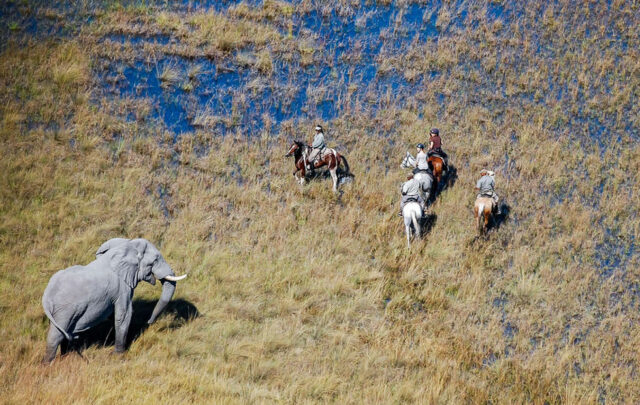
The daylight hours end with a ride that’s shorter and gentler than the morning workout. By my third afternoon, I realised I had my confidence back. Rounding some trees, we spotted a small herd of elephants, and I didn’t waver.

But then, suddenly, another group emerged from a thicket. They were far too close for comfort. In front was an indomitable-looking matriarch. One shake of its ears, and our guide gestured for us to move away at speed – but the route he indicated led straight into a water channel. Blood pumping, heart pounding, we crashed in, spray fountaining up from our horses’ hooves. Only when we were well out of danger did we slow to a wade. Too exhilarated to do anything but grin like a fool, I turned to my companions. They were all doing exactly the same.

WAY TO GO

Horseback safaris for riders of all abilities are available in beautiful wilderness regions in Kenya, Tanzania, Malawi, Zambia, Botswana, Namibia, Mozambique and South Africa. They include half-day tours suitable for beginners, more demanding riding lodge-based safaris, or truly challenging mobile safaris lasting over a week, spending long hours in the saddle and fly-camping in the wilds each evening.

Top Secrets to Enjoy your Travel in Australia

0
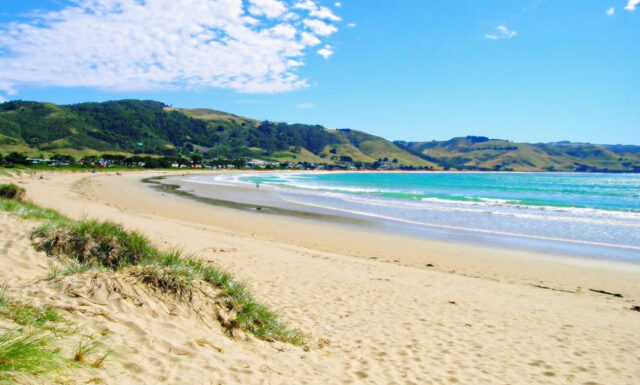
Apollo Bay Australia

Traveling allows one to broaden his or her perspective about the world in which he or she lives in. visiting foreign countries allows one to be exposed to different foods, languages, and cultures and traditions. However, for one to enjoy his or her travel to Australia, he or she must get acquainted with some top secret activities and must visit places in the said country. To reveal the top secrets in enjoying Australia, these questions must be answered:

1. What is Australia’s finest restaurant?

According to tourists, Australia’s best kept secret when it comes to restaurants is the quality of its food, especially Thai restaurants. There are tons of restaurants, especially in the Northern Beaches of Sydney, that serve dishes that are exceptionally sumptuous and of good quality.

There are also some fine dining restaurants in Australia found in Perth. These restaurants are specifically located along the suburbs of Victoria Park. One of these dining places includes a delightful secret cafeteria called the Harvest Espresso. This café is a home to great coffee, coleslaw toasted sandwich and stunning pulled pork, and sumptuous mushroom and goat-cheese omelet. Furthermore, they also serve very delicious dessert, such as the lemon curd tart.

2. What is Australia’s most exciting food trend?

Australia is one of the countries that manufacture fresh local produce as well as sugar and gluten free substitutes. This allows locals to cook dishes and prepare desserts utilizing these local produce, such as fruits and vegetables. Therefore, healthy diet stands out the mindset of diners, which is something that is unusual in other countries.

3. What is the number one secret to dining for less in Australia?

In order to find the cheapest dining places, a tourist can seek out suggestions from local residents. Oftentimes, tour guides will offer dining places that are expensive enough. Therefore, it is important for one to conduct a research before visiting a certain place in Australia. Furthermore, aside from advices from locals, one can also check out mobile applications, such as Foursquare, for tips on inexpensive dining.

Moreover, the cheapest food can be found on the road. Without a doubt, street food can cost even less than a dollar. These foods are made from fresh local products and are extremely palatable.

4. What is the best foodie destination or city in Australia?

According to most tourists the best city, especially when it comes to food, is Sydney. It is because the diversity across the entire city sounds exciting. The quality of food found in Sydney will surely be missed, specifically the breakfasts and brunches served – not to mention the aromatic coffee. Some of the renowned dining places include Harry’s Cafe de Wheels, Mamak, and Emperor’s puffs in Chinatown.

Moreover, casino fanatics who wish to visit Australia to play in their most renowned casinos need not anymore spend a lot. They can as well play online and visit Pokies Heaven to play casino games online at the comforts of their homes.

Rooftop Safari Experience in Tanzania

0

Rent a fully equipped 4×4 in Arusha, plan the itinerary and off you go to wherever you heart desires. Should you prefer to have some local knowledge on hand, the safari can be escorted or guided.

A self-drive, roof-top camping trip is a perfect way for the independent-minded traveler to experience the wildlife-filled and beautiful Tanzania. Explore Tanzania on a self-drive holiday with rooftop tent. Enjoy the holiday at your own pace with full control of the drive.

Experience the privacy and flexibility of driving your own safari in Tanzania with peace of mind about which route to take and where to sleep? Each Tanzania self-drive tour offers a carefully planned route with stays in rooftop tents.

Rooftop tents could just be the answer to the comfort woes of off-road adventurers who refuse to rough it out by sleeping on the ground. Inside the tent is a pleasant and welcoming queen-size foam mattress. In addition, you’ll appreciate the privacy it offers when it comes to everyday activities like taking a shower, changing your underwear, or fleeing from Tanzania wildlife game viewing in Tanzania national parks.

MERITS OF ROOF TOP TENTS

Adventurous

A roof tent vehicle is for camping in the wild. It will make you get out of your comfort zone of sleeping in the customary places like lodges and hotel and sleep in the jungles under the tent at the top of the car. You are able to enjoy the moon light, the night bliss and the sounds of the jungle at night, not forgetting the sunsets and sunrises that are often magical in any African jungle.

More to that nocturnal animals like the bush babies, wild cats and leopards are likely to be at your sight while camping in the wild. This is something of out of your world. It gets better when you are able to take pictures of these animals and also yourself in the wild at night.  The adventure is very fulfilling and also makes your feel that you have conquered your fears.

Cheaper

A roof tent vehicle on Car Rental Tanzania enables the traveller save some money as he/she is able to dodge the accommodation fees for the lodges or hotel which is replaced by the roof top tent.  The roof tent vehicle package is way cheaper than hiring a car and at the same time pay for accommodation at the lodge.

Trendy

We all yearn for attention and what brings attention is something unique and trailblazing. A rooftop tent vehicle is a new addition to the self-drive safaris in Tanzania. Not so many people have tried but many people seek to try. Therefore, travellers go for roof tent vehicle on self-drive safaris to be the trendsetters and hence get the attention. Attention always brings so much joy in the heart and also the confidence as you are the man of the moment.

Safe

Roof tent is safer than the usual ground camping experience. With the roof tent camping, the traveller sleeps on top of the vehicle which is less risky compared to the ground camping where you are prone to being attacked by wild animals in the jungle. The sense of feeling secure and safe is very paramount in having a wonderful and exciting safari experience.

Convenient

The roof tent vehicle on a Tanzania self-drive safari offers an all-inclusive experience. With the roof top tent package everything you need on the trip is at your feet because it comes with the transport means, the 4×4 car, accommodation in the form of a camping tent and also the cooking equipment are provided, the meals are all sorted. This makes your life easy while on the self-drive safari as you have everything at your disposal.

The convenience also continues with the fact that you can as well go to a restaurant in case you feel like not preparing your own dinner, and also choose to sleep in a comfort of a hotel bed in case you feel like you have had enough of the nights out on top of the car.

Better view

Rooftop tents put you 5-6 feet off the ground, depending on the height of your vehicle. This allows you to enjoy an unobstructed view of your surroundings while you’re in your tent. There is nothing better than laying back and taking in the view of a towering mountain or beautiful beach. When you’re sleeping in a ground tent, even a small hump, shrub, or boulder can block your view of the landscape.

Cleaner

Because rooftop tents are elevated off the ground, they tend to stay cleaner than ground tents. You can set a doormat at the base of your ladder so you can wipe your feet before you climb in. This way, you don’t track as much mud, sand, water, or dirt into your tent. Because the tent is elevated, it is less likely for the wind to blow dirt in. The inside tends to stay cleaner. Also, rain can’t splash mud onto the sides of the tent. In addition, you don’t have to deal with debris getting stuck to the bottom of the tent. Another benefit is that your car interior will stay cleaner because you’re never storing a wet and dirty tent inside. The rooftop tent always stays outside.

Warmer

Rooftop tents are generally warmer than ground tents. There are several reasons for this. First, rooftop tents use higher denier (thicker) fabric for the walls. Some rooftop tent models offer a quilted insulating insert as an optional accessory. With the extra insulation, less heat escapes in the night and the interior stays warmer. Next, you’re not sleeping on the cold ground in a rooftop tent.

The floor is thicker so it provides some insulation from the outside. You don’t lose as much heat to the cold ground. Finally, rooftop tent heaters are available for extremely cold nights. Of course, you can stay just as warm in a ground tent. Insulated ground tents and heaters are available. A good sleeping pad with a high R-value will prevent heat loss through the ground.

Conclusion, visiting Tanzania and going on safari is so much more than you can ever imagine when you choose a 4×4 route and the adventure of roof top camping. Complete freedom to create your own adventure, at your own pace and with your own objectives.

Cities and Landmarks to Visit in Africa

0
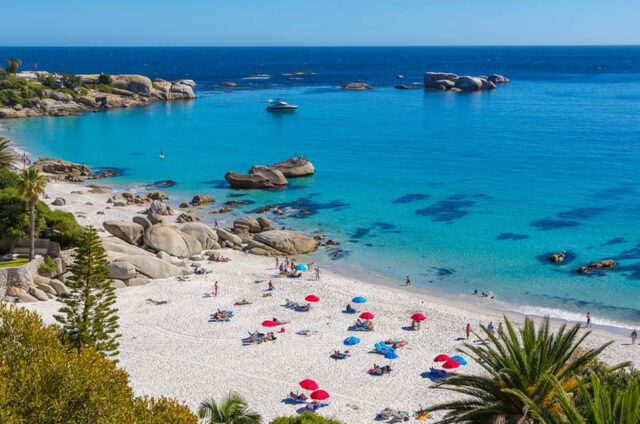
Cape Town Beaches

1. Cape TownSouth Africa- I feel South Africa has a lot of value and appeal for many people.

Europeans and Americans who are planning to go on a holiday to Africa at least once in their life should definitely visit South Africa. There are a number of mountains from which you can view some spectacular scenery, such as the Lion’s Head and Chapman Peak.  I visited South Africa at a fairly young age and while some memories are vague there are some which are as vivid as ever. My personal highlight was the safari tour in which I got to ride an ostrich around a pen, in addition to viewing an eclectic mix of wildlife, including a small group of Elephants. Likewise, if you are into sport, South Africa has a significant amount of sport heritage and many UK based cricket and rugby fans visit the country and show their support for the England national teams when abroad. However, South Africa is known for crime so it is important to be precautions when you are around the city, especially in Johannesburg.

2. Victoria Falls-Zambia/Zimbabwe- While I haven’t personally had the pleasure of visiting this spectacular creation of nature, I have vicariously lived the moment through my friends retelling of the experience, “nothing like you’ve ever seen before,” well of course certainly not in North West of England. David Livingstone, the European explorers account of discovering this natural phenomenon does it slightly more justice, “scenes so lovely must have been gazed upon by angels in their flight.”The waterfall dwarfs Niagara Falls by a whopping 57 metres; yes it stands at 108 metres, which is over twice the size of Niagara. In the region it is known as Mosi-oa-Tunya (The Smoke that Thunders). While it technically isn’t the tallest or widest waterfall, these combined dimensions have led to it being dubbed as the worlds ‘largest’ waterfall. There is even a pool that forms near the edge of the falls, and tourists often go swimming in the “Devils Pool”, albeit ultimate precaution must be taken. 

3. Cairo- Egypt-Another historic city with amazing scenery and its desert complexion is completely different from the lush greens of the vast jungles and deltas that dominate other parts of Africa. It is one of the world’s most populous cities, which speaks volumes when you consider the highly dense populations of Asia. In line with the rest of Africa, it has a sweltering temperature which peaks in the summer months of June, July and August and similar to other parts of Africa it receives very little rainfall. It is home to the famous landmark “The Sphinx,” which was apparently built under the direction of the ruler Chepren. If you visit the Citadel you will be able to visit the Alabaster mosque of Mohamed Ali and also be the recipient of one of the best views of the city.Egypt’s history is intriguing and in terms of the architecture and the different developments it went through under the guidance of different leaders, and it is all illustrated fantastically by the Egyptian Museum. Last but not least, the Giza pyramids of Egypt are a must see, and lie seven miles to the SouthWest of the City. The Great Pyramid is one of the original Seven Wonders of the World.

Bucket List Destinations to Visit in 2022

0
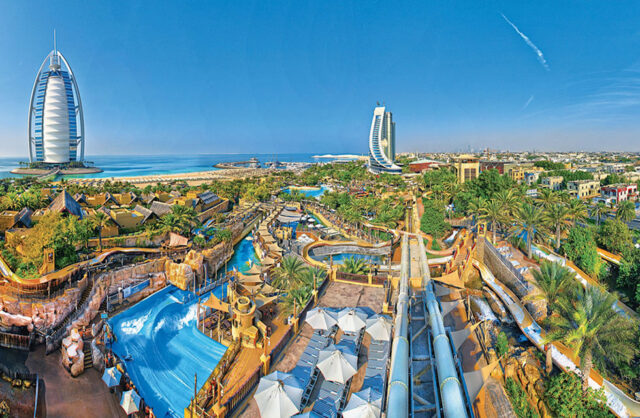
Wadi Wadi Dubai

Undecided where to add a passport stamp to your collection next year? The cost of travel has increased over the years and the exchange rate means you are maybe not getting as much currency for your hard earned pounds, but this is getting better and long haul places are now better value to explore. Be clever when you are searching for flights and try to avoid popular dates for travel or consider flying through a different airport than you normally would; and make sure to be on the lookout for any online discount codes off you next long haul flight with something like an Expedia discount.

I like to discover new places and don’t usually return to the same place twice. So here are some of my potential bucket list trips for 2017:

Japan

The land of the rising sun has always fascinated me and one I’ve often regarded as ‘yeah maybe one day I’ll go there’. So I’ve decided to take the plunge and start planning my trip to Japan. I read recently that the infrastructure in Japan has been radically overhauled in the past few years meaning if you get on one of the white-nosed bullet trains you can pretty much travel across the country in a matter of hours in comfortable surroundings. Last year the train network reached Hokkaido, the northernmost island for the first time ever – so it’s good news for us budget travellers.

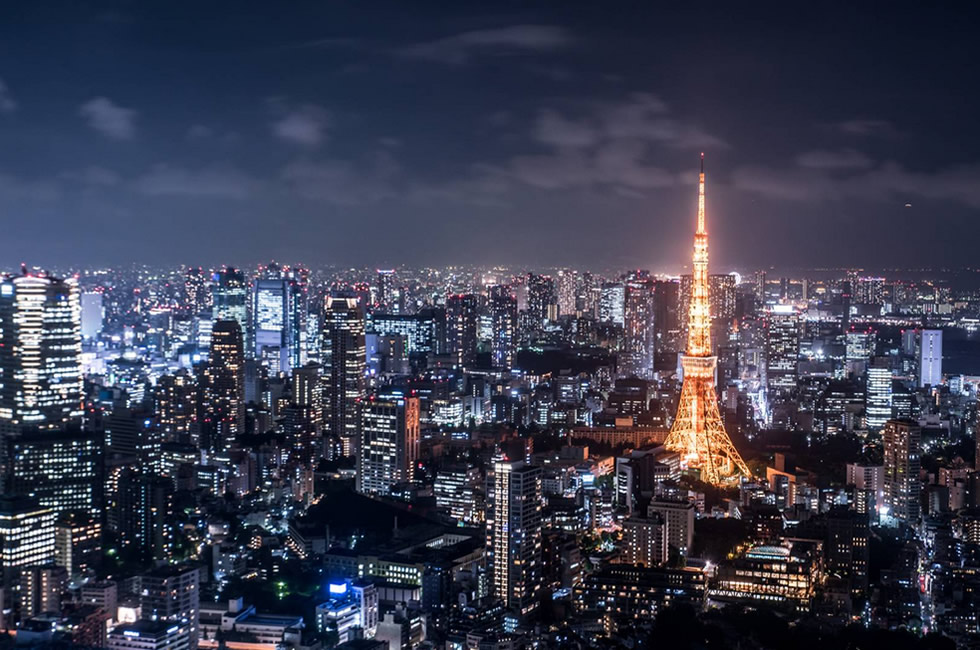
Tokyo

Japan has a somewhat seasonal tourism industry with skiers and snowsports addicts travelling for the landscapes and powder snow in the winter months, while in spring and the summer month’s back-packers flock to nature reserves and to the coast to see eagles, whales and dolphins. If you make it to Lake Kussharo, hike up Mound Asahi, see the hot springs in Toya Onsen and not forgetting the luscious, aromatic lavender fields of Biei. History geeks will be fascinated by the star-shaped fort built during the 19th century in the city of Hakodate.

More good news for travellers to Japan, is that value for money in the country is at the best rate it has been for years due to the dramatically weakened yen. In fact a survey ran by Post Office Travel Money showed that Tokyo is the third cheapest long-haul destination for UK travellers this year. You can’t argue with that!

India

India is one of the biggest countries in the world so it’ll take a while to plan a trip here. There’s different states, cultures, languages – it’s a tricky process and one you should know exactly where you want to go and how you are going to get there. But our friends at the Indian Embassy have helped things by introduced an express 4-day e-visa process. So if you fancy taking off next week it’s quite possible. Plus the currency rate is leaning in the pounds favour, with £1 getting you a batch of 100 rupees – that’s pretty good for south-east Asia.

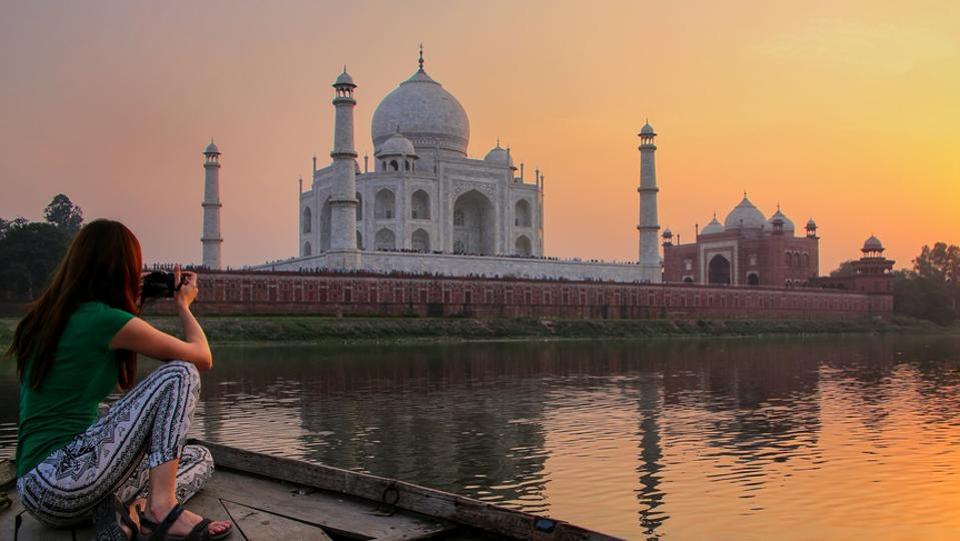
India Travel

Most travellers go for culture to Rajasthan however there are more organised tours venturing into nearby villages and town, with tourists staying in renovated forts and palaces where the operators plan jeep safaris, trail rides and guided walks around the area. Textile tours are also increasing in popularity with tours selling out demand in Gujarat and Hyderabad. One big tick needs to be off the jungle box, India’s forests are magical with beautiful wilderness, wild birds and tigers and are said to have inspired the author or the Jungle Book.

Overall tourism from the UK to India is much friendlier and cost effective than it has ever been – make 2017 your year to experience it too.

Dubai

The world has watched the rising of Dubai from the desert for two decades now and it still doesn’t cease to amaze me. Excluding a downturn in building and development during the global financial crisis a few years ago, Dubai is still a major go-to destination for globetrotters across the world due to increased flights and accessibility. Luxurious hotel, golf resorts, beaches and breath-taking shopping centres are just the icing on the cake – there’s more to come this year including an indoor ski centre, waterpark, multiple theme parks, and new amenities.

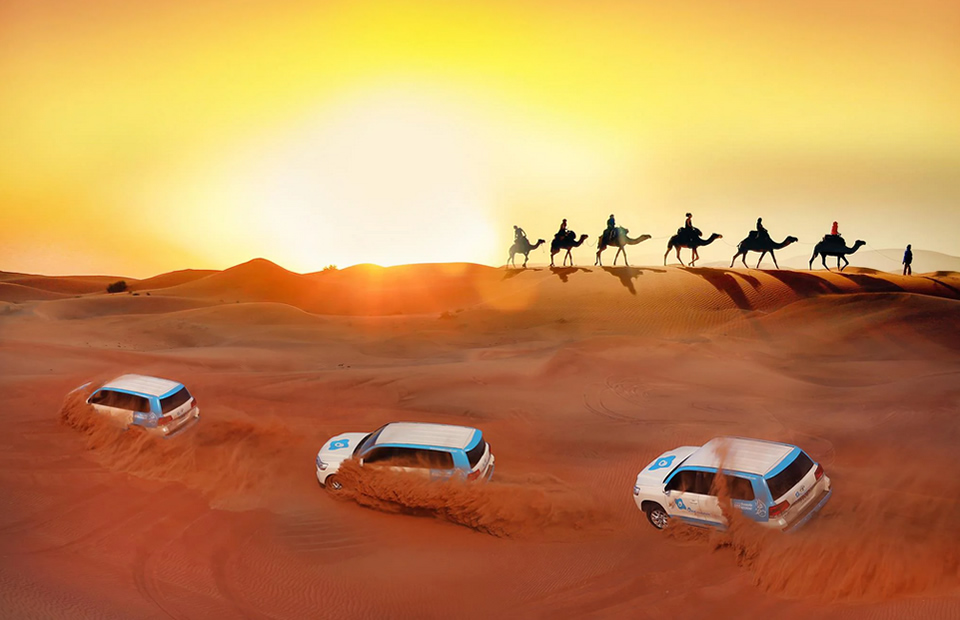
Dubai Desert Safari

Just a 7 hr flight direct from UK will see you in the land of sheiks, a 24hr party lifestyle (in hotels only), designer stores and an obscene skyline to rival New York. It’s almost like a Arab Las Vegas! Huge brands such as Marvel Comics, Lego and even Bollywood have seen the potential in the United Arab Emirates and are all wanting a piece of the action by investing recently. You’ll still see the Muslim culture throughout the city, so it’s a great chance to experience the melting pot of Arabic, Oriental and Western cultures. I reckon now is the time to go to Dubai before the cost of travelling there becomes a lot cheaper and it is overrun with tourists.

The Cheetah Plains: A Big Five Bonanza!

0
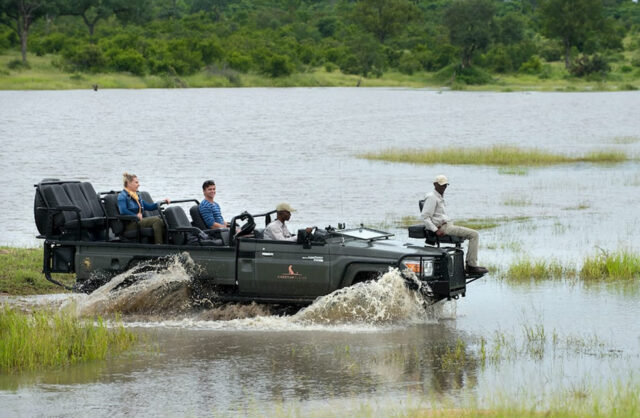
Cheetah Plains of Sabi Sands

Photography enthusiasts Ulli Mühlhoff and his wife Irmi recently visited Cheetah Plains as a leg of their safari itinierary. The couple had a Big Five-filled three days at the reserve, with some amazing sightings as featured below. 

Known for its Big Five game viewing, the Sabi Sand Game Reserve in which Cheetah Plains Private Game reserve is located lies along the south-west corner of The Kruger National Park. There are no fences between the two reserves, meaning that the animals are able to move freely between the two areas and as a result, it offers some of the best wildlife viewing in Southern Africa. In particular, Sabi Sand is known for the leaps of leopards that traverse the area.

There are two rivers that cross Sabi Sand, namely the Sabi River and the Sand River. Thanks to these water sources, there is an abundance of wildlife species in the reserve, including lion, leopard, elephant, rhino, elephant, cheetah, hyena, buffalo and a host of different antelope.

To date 45 fish, 30 amphibian, 110 reptile, 500 bird and 145 mammal species have been noted in Sabi Sand! A number of rare species have also made the reserve their home, and guests are often treated to a glimpse of bats, honey badgers, ground hornbills and wild dogs.

Of his trip Ulli says, “The chalets are very comfortable and lovely. Together with the main building and the observation deck they offer the best way to enjoy the wilderness and nature. Laying on the pool and viewing the elephants coming around was amazing.”

“The highlights [of the safari] were definitely the game drives” says Ulli, “our guide Ephraim showed us all the animals in a perfect way. He always succeeded in finding the best positions to get these photos.”

“During our last game drive we got the Big Five in just two hours before breakfast!” This drive included perhaps the best sighting of the trip – a beautiful family of lions who were relaxing and grooming each other in the comfort of a thicket close to Buffelshoek Dam. The lions were the Nkuhuma pride, the resident pride in the north. They have eight adorable new cubs.

Why You Should Travel On A Conservation Safari

0

If you want an authentic experience, the best way to travel Africa is on a conservation safari. You get closer to wildlife and nature than you would with any other travelling method. Of course the benefits also extend both ways.

In Africa, poaching is becoming a serious issue. Ivory is becoming a lucrative good. Choosing to travel on a conservation safari will reduce the environmental impact. Conversely, you can assist in volunteer and natural environment protection. Travelling these areas helps to increase awareness. It is only by understanding and targeting the problems that they can be resolved.

Conservation safaris can extend well beyond helping the natural flora and fauna to also benefit the young African children in need.

Studies have also shown a correlation between a reduction of tourists with an increased presence of poachers. Anti-poaching patrols are on effective method, but with such a diverse landscape and limited manpower, it is difficult to keep tabs on illegal killing. Beyond killing elephants or rhinos for ivory, plenty of other animals are included too such as lions, zebras, buffalo or wilder beast for their fur or hide and meat.

Even across Africa, the climate and national circumstances in each nation varies so widely. Kenya is one area where coordination is seeing a decline. Your experience here will differ greatly to that in South Africa. Which has a diverse from deserts, wetlands, natural forest and flourishing urban environments too.

In South Africa, the three major tourist cities are Cape Town, Pretoria and Bloemfontein. Johannesburg is at the centre of the country and is South Africa’s largest city. Diversity extends among the people with several culturally spoken languages such as Afrikaans, Swazi, Tswana and Zulu just to name a few in addition to English.

Pretoria, being the centre of government and administration is home to wonderful buildings. African conservation safaris can even be suitable and safe for kids. These tours are also available in Namibia.

Africa’s wildlife is stunning, arguably the best in the world. Animals can be seen at close range in their natural habitats. Many animals have grown accustomed to frequent motor vehicles passing by carrying camera happy tourists. Currently, the cheetah population is also sitting very low. Depending on your preference, a variety of different tours are on offer.

When to travel

While many consider weather seasons in travelling, scheduling times may also be determined depending on the animal specifies and native wildlife you intend to see. For the most part, your decision will be between two different choices – either the wet African season, or the dry season where grass plains are arid, and carnivores are on the prowl for prey. These two periods climax in great migratory periods across the plain. Other factors may include the method in which you intend to travel.

There are many methods of travel when choosing a conservation safari. Unlike other adventures, hiking or trekking will only get you so far on this vast terrain. One of the most common options is to use a four-wheel drive vehicle. This will give you the ability to travel across a variety of environmental elements whilst keeping important materials or food safely stowed away. Should you decide to venture further, simply park your vehicle and venture forth.

Of course safety is always paramount, and ensuring you are with someone experienced when embarking on a conservation safari is important too.

The biggest tip is to stay quiet and always try to keep wildlife undisturbed. As soon as you make loud noises, it will begin to attract animal attention which includes dangerous prey.

Why Go Hiking in Scotland?

0

Scotland is brimming with some of the most beautiful and scenic sights in the world. Most tourists prefer walking in Scotland to enjoy an exhilarating experience there. Some reasons why you must go hiking in Scotland have been discussed below:

1. Access to Countryside: In Scotland, you can enjoy unhindered access to open countryside. This shall give you a chance to experience the untouched beauty of Scotland’s tranquil countryside.

2. Scenic Beauty: Scotland has a varied landscape comprising of lush glens, steep mountains and a rugged coastline. You can savor the beauty of Scottish Highlands along with hills, lochs, which is a perfect mixture of tranquility and scenic splendor.

3. Health: Holidaying in Scotland is a good way to take a break from your monotonous work schedule and feel rejuvenated. Hiking would be a great health move, as it involves a good amount of physical strain. The pleasant views along with the clean, crisp and fresh air of Scotland can also work wonderfully well for your health.

Places to go Hiking in Scotland

In a country which is quite popular for its adventure escapades, there is no dearth of hiking spots. Some of the best hiking spots in Scotland are:

1. Great Glen Way: The Great Glen Way is a popular hike in Scotland. It is a nearly 79-mile route, which falls along the length of Lochs Locky, Oich and Ness. It takes you through a broad stretch of forest, and you can enjoy the beautiful sceneries and also experience the thrill of walking by Loch Ness. Make sure you go hiking at the Great Glen Way with your lover. This shall give you a chance to snuggle closer to your love, as you experience the thrill of mistaking almost every ripple on its surface to be the monster ‘Nessie’.

2. The Clyde Coast Way: The Clyde Coast way is hardly 50 miles long, and offers some of the most breath-taking views of the Scottish South-west Coast. This short hike provides you with a view of mountains on one side, and distant islands on another. This trail passes through several coastal towns, which will give you a splendid view of different attractions like historic churches and pubs.

3. West Highland Way: The West Highland Way is a popular 96-mile hike running from Milngavie up to Ft. William. This interesting trail comprises of different Scottish eco-zones such as lochs, moors, forests, mountains and hills.

4. East Highland Way: This recent 78-mile hike starts at Ft. William and ends at Aviemore. You can enjoy the magnificent views of a remote and mysteriously abandoned stretch of wilderness, as this route takes you through prehistoric sites, beautiful castles and lochs.

5. North to Cape Wrath: This hike is meant for adrenaline-junkies and ones with a good hiking experience. Certain parts of this 205-miles long route are unmarked and uninhabited. It is a trail not meant for novices, so make sure you tread this path only when you think you can take up the challenges of a mysterious, unmarked and unofficial trail.

How to prepare for hiking in Scotland?

Hiking in Scotland requires proper planning in advance. Any precariousness on your part can ruin the entire trip. Some factors you need to consider before starting off with your hiking expedition are:

1. Weather: UK weather conditions are quite unpredictable. It rains incessantly in Scotland and these rains are sometimes, also accompanied by strong gusts of winds. Make sure you carry umbrellas and raincoats before beginning with your adventurous hike.

2. Clothing: Hiking involves a lot of physical strain, and can tire your feet easily. Hence, you must wear comfortable footwear which should have a high ankle cuff to support your ankle and prevent twists and sprains. Consider carrying a waterproof jacket, which would protect you from the high-velocity cold winds. Carrying a pair of durable and lightweight trousers is also strongly recommended.

3. Hiking Spot: Now that you know about the different hiking spots in Scotland, you must choose where to go hiking only after prioritizing your interests and comforts. People who are not big-time adventure-seekers could choose a comfortable hike where they could consider staying in comfortable hotels or self-catering cottages. This would give them a chance to admire the scenic beauty while also enjoying the luxuries and comforts of luxury cottages in Scotland. The ones intending to enjoy total adventure need to be well-prepared before starting off with the hike.

4. Food: If you wish to seek complete adventure while hiking in Scotland, you must carry certain food items with you. Treat yourself to calorie-rich food items like chocolates, cookies and cakes while hiking. This is because hiking, a strenuous activity, consumes a lot of calories. You can also carry other packaged food items. Make sure you do not miss out on carrying packaged drinking water. This is because the physical strain of hiking can drain you of water and other vital nutrients.

Make the most of your hiking expedition in Scotland by taking an interesting companion or a lively group of friends with you. It would multiply your thrill and add to your excitement. Consider yourself lucky, if you get a chance to bask in the warm sun while hiking in Scotland.

Trying Different Cuisines on Your Travels

0
Roasted Guinea Pigs

One of the great things about going on holiday is the wide array of foreign foods awaiting your arrival. Trying cuisine abroad can bring you into contact with new flavours and give you ideas to for meals back at home. Above all else though, exotic dishes are delicious. However, if you are going to be trying food when you’re on holiday, it’s important to make sure that you’ve got travel cover, because catching a bug from food abroad is one of the most common ways that people pick up a holiday illness.

World Cuisine

Although the food in the UK is great, it can be nice to try sample some foreign delicacies. There is a whole world of new and diverse food out there waiting to be explored.

South America

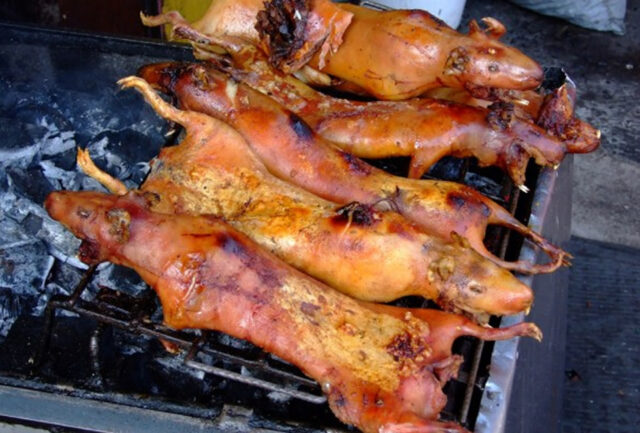
The countries of South America offer a wide variety of delicious foods that range from the familiar to the bizarre. Argentina boasts beef that is often regarded as the best in the world while Brazil has amazing fruit that is ripe all year round. Food in Peru is big business and the west coast country has internationally renowned restaurants. One of the staples there is lomo saltado, shredded beef with chips and a unique sauce. However, Peru is also to home flame grilled guinea pig, which comes served fully formed- with arms and legs still intact!

Asia

The food in Asia can be a bit rich for our western sensibilities, however, if you can see past exactly what it is you’re eating then you’re in for a treat. In Korea, one of the delicacies is live octopus. The animal is chopped up while still alive and served with the tentacles squirming on the plate! Birds nest soup in China is a rare treat. Unlike toad-in-the-hole, birds nest soup is entirely literal. The nests used are swift nets, which are particularly tasty because the birds used their own saliva to hold the nests together.

Oceania

Being surrounded by some of the finest fishing waters in the world, the countries of Oceania are famous for their seafood. A lot of the dishes are served as delicious stews or soups; however, it’s also common to order one large fish that is placed in the middle of the table for everyone to help themselves.

Food Safety Abroad

Although eating abroad presents us with a lot of opportunities to try new and exciting food, it can also carry with it a few health hazards. When eating in a different country it is important to pay particular attention to what and where you eat, as an upset stomach on holiday could mean that your whole trip is ruined.

Make sure that wherever you eat, the place looks clean. If it seems to be dirty, don’t take the risk. If you go to a place recommended in travel guides then this is a good indicator that it’s reputable. It’s also vital to ensure that your hands are clean before you eat; foreign countries don’t just serve up lots of new foods, they also serve up new germs too!

0FansLike
3,912FollowersFollow
0SubscribersSubscribe
- Advertisement -
Google search engine

Don't Miss